The ketogenic diet has become one of the most talked-about nutritional approaches of the past decade. From metabolic health clinics to fitness communities, this high-fat, low-carbohydrate regimen has drawn both passionate advocates and cautious skeptics. But regardless of where one stands on the keto debate, there is one point on which nearly all experts agree: if you choose to follow a ketogenic diet, you need to monitor your blood ketone levels.
What Is the Ketogenic Diet?
The ketogenic diet is a high-fat, adequate-protein, and carbohydrate-poor eating pattern that forces the body to shift from using glucose to using fat as its primary fuel source. When carbohydrate intake is severely restricted, the liver begins producing molecules called ketone bodies—primarily beta-hydroxybutyrate (BHB), acetoacetate, and acetone—which serve as an alternative energy source for the brain and other tissues. This metabolic state is known as nutritional ketosis.
Historically, the ketogenic diet was developed in the 1920s to treat refractory epilepsy in children, and it remains a therapeutic option for those who do not respond to conventional medications. In recent years, however, it has been increasingly explored as a weight loss strategy and a potential adjunctive treatment for metabolic disorders such as obesity, diabetes mellitus, dyslipidemia, fatty liver disease, and polycystic ovary syndrome.
The Promise of Keto: What Does the Science Say?
Clinical research over the past several years has provided compelling evidence for the short-term effectiveness of ketogenic diets. A 2025 randomized clinical trial involving 160 adults with obesity found that a calorie-restricted ketogenic diet led to significantly greater weight loss compared to a calorie-restricted Mediterranean diet, with an average additional loss of 3.78 kilograms over three months. Another study reported that after one month on a very-low-calorie ketogenic diet, women with obesity experienced a 7% decrease in body weight, reflecting an 8.8% reduction in fat mass.
Beyond weight loss, ketogenic diets have been shown to improve glycemic control, enhance insulin sensitivity, lower HbA1c levels, and reduce glycemic variability. Some research also suggests that nutritional ketosis may help curb appetite—a benefit that can make calorie restriction more sustainable for many individuals.

The Critical Importance of Blood Ketone Testing
Given these benefits and risks, how does one navigate the keto diet safely and effectively? The answer lies in precise, real-time monitoring of blood ketone levels. Unlike urine test strips, which measure acetoacetate and can be significantly affected by hydration status, blood ketone testing measures BHB directly and provides an accurate, immediate reflection of current ketone status. Blood testing is the gold standard for detecting ketosis earlier and with greater precision than any alternative method.
But what do the numbers actually mean? A blood ketone level below 0.6 mmol/L is considered normal. Levels between 0.6 and 1.5 mmol/L indicate light nutritional ketosis, while the range of 1.5 to 3.0 mmol/L represents optimal ketosis—the zone in which most weight loss benefits are achieved. Exceeding 3.0 mmol/L moves into territory that may be associated with diabetic ketoacidosis (DKA) in individuals with diabetes, particularly when accompanied by hyperglycemia and metabolic acidosis. DKA is a life-threatening complication with a mortality rate of 2% to 10% and is the leading cause of hospitalization and death in children with type 1 diabetes.
The American Diabetes Association recommends blood ketone testing during illness and whenever blood glucose is persistently elevated (above 250–300 mg/dL). But for individuals following a ketogenic diet for weight loss or metabolic management, regular testing serves a different purpose: it helps confirm that you have actually achieved nutritional ketosis, allows you to adjust your diet based on objective data rather than guesswork, and prevents you from drifting into dangerously high ketone ranges.
Introducing Accugence: Accurate, Affordable, and All-in-One
For anyone serious about the ketogenic lifestyle, having a reliable blood ketone meter is non-negotiable. This is where the Accugence Multi-Monitoring Blood Meter enters the picture.
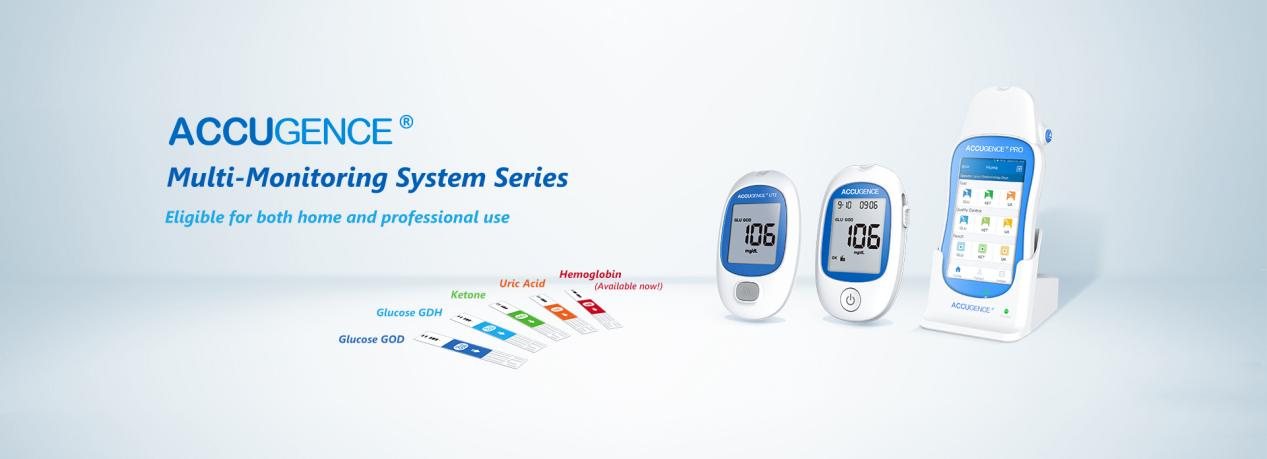
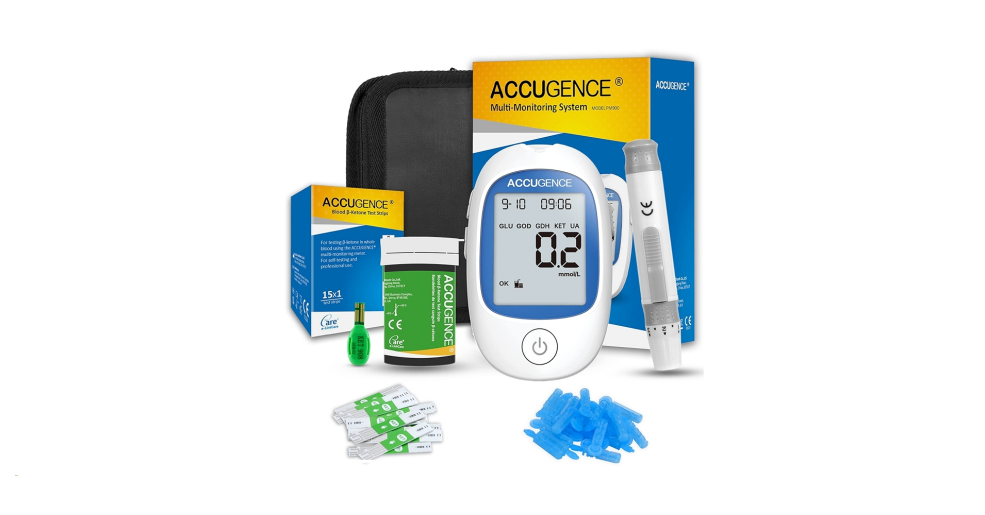
The Accugence meter is one of a few next-generation, highly advanced multi-monitoring systems available at an affordable price. Built on advanced biosensor technology, this compact device tests multiple parameters—including blood β-ketone, blood glucose (using both GOD and GDH-FAD methodologies), and blood uric acid—all in a single meter. With a measurement range for β-ketone of 0.0 to 8.0 mmol/L, it covers the entire spectrum from normal physiological levels to the threshold for DKA risk.
What sets Accugence apart is its combination of clinical-grade accuracy and user-friendly design. The device requires only a tiny blood sample (just 0.9 μL for ketone testing) and delivers a fast reading in approximately five seconds. Features include hematocrit interference compensation (with an impressive hematocrit range of 15% to 70% for ketone and glucose testing), auto test strip type recognition, and a comprehensive quality control system that ensures reliable, lab-quality results.
The meter also incorporates new enzyme chemistry, underdose detection, and flexible range indicators to prevent common testing errors. It is fully compliant with international standards and offers a wide operating temperature range, making it suitable for use in various environmental conditions.
Perhaps most importantly for users following a ketogenic diet, the Accugence meter measures both glucose and ketones simultaneously. This dual capability is not merely a convenience—it is a clinical necessity. Ketone levels must always be interpreted alongside blood glucose levels, particularly for individuals with diabetes or prediabetes, to distinguish safe nutritional ketosis from dangerous DKA. With Accugence, users can track both critical markers on a single device, reducing the need for multiple meters and simplifying the monitoring routine.
Conclusion: Knowledge Is Power
The ketogenic diet can be a powerful tool for weight loss and metabolic health—but it is not a one-size-fits-all solution, nor is it without potential risks. The scientific literature increasingly emphasizes the importance of individualized, data-driven approaches to dietary management. Whether you are using keto to manage epilepsy, improve metabolic parameters, or lose weight, the ability to measure your blood ketone levels accurately and consistently is essential for both safety and effectiveness.
The Accugence Multi-Function Blood Meter offers an accessible, accurate, and comprehensive solution for anyone committed to navigating the keto diet with confidence. By combining blood glucose, ketone, and uric acid testing in one clinically validated device, it empowers users to make informed decisions based on real-time physiological data rather than speculation or guesswork.
In the end, successful keto dieting is not about blindly restricting carbohydrates—it is about understanding your body, monitoring your metabolic state, and adjusting your approach as needed. With the right tools, that understanding becomes not just possible, but remarkably simple.