What Is COPD?
Chronic Obstructive Pulmonary Disease, or COPD, is a progressive inflammatory lung disease that causes obstructed airflow from the lungs. It is a leading cause of morbidity and mortality worldwide. According to the Global Initiative for Chronic Obstructive Lung Disease (GOLD), over 300 million people live with COPD, and its prevalence continues to rise. Despite its burden, awareness remains low—many people dismiss early symptoms until the disease has already advanced.
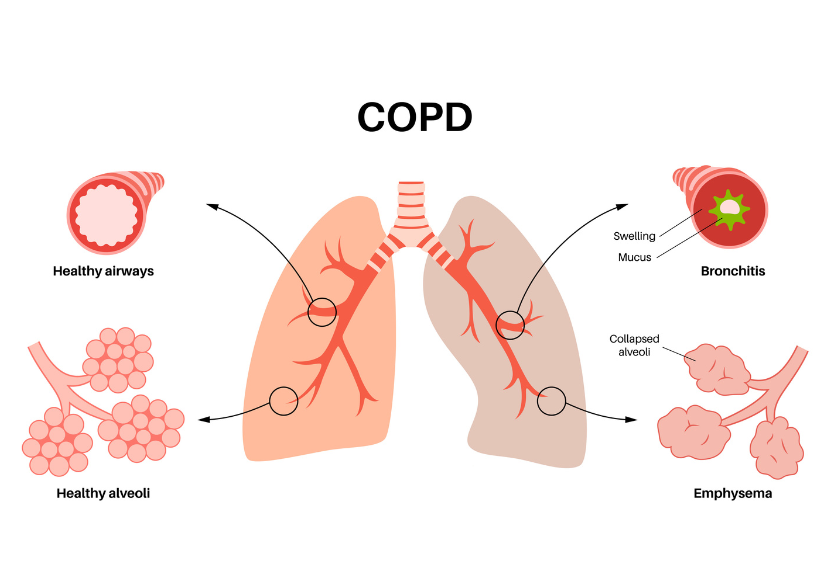
COPD encompasses two main conditions: emphysema, where the air sacs (alveoli) are damaged, and chronic bronchitis, characterized by long-term inflammation of the airways. Over time, the walls of the airways thicken, mucus production increases, and gas exchange becomes less efficient. This results in the hallmark symptom: progressive, irreversible airflow limitation.
Risk Factors: More Than Just Smoking
While smoking is the most common risk factor, accounting for approximately 85–90% of cases in high-income countries, it is not the only one. Other important risk factors include:
Long-term exposure to occupational dusts, chemical fumes, and air pollution
A history of frequent childhood respiratory infections
Genetic factors, such as alpha-1 antitrypsin deficiency
Poor lung development in utero or during childhood
In many low- and middle-income countries, exposure to biomass fuel (such as wood or animal dung used for cooking and heating) contributes significantly to the disease burden.
Recognizing the Early Signs
COPD is often called the “silent thief of breath” because its early symptoms are subtle and easily mistaken for normal aging. Common signs include:
A persistent cough, often dismissed as “smoker’s cough”
Shortness of breath during routine activities like climbing stairs or walking
Excessive sputum production
Wheezing or chest tightness
Because the lungs have significant reserve capacity, symptoms often do not appear until 30–50% of lung function has already been lost. This is why early screening is critical—especially for individuals over 40 with a history of smoking or long-term exposure to respiratory irritants.
The Role of Advanced Diagnostics
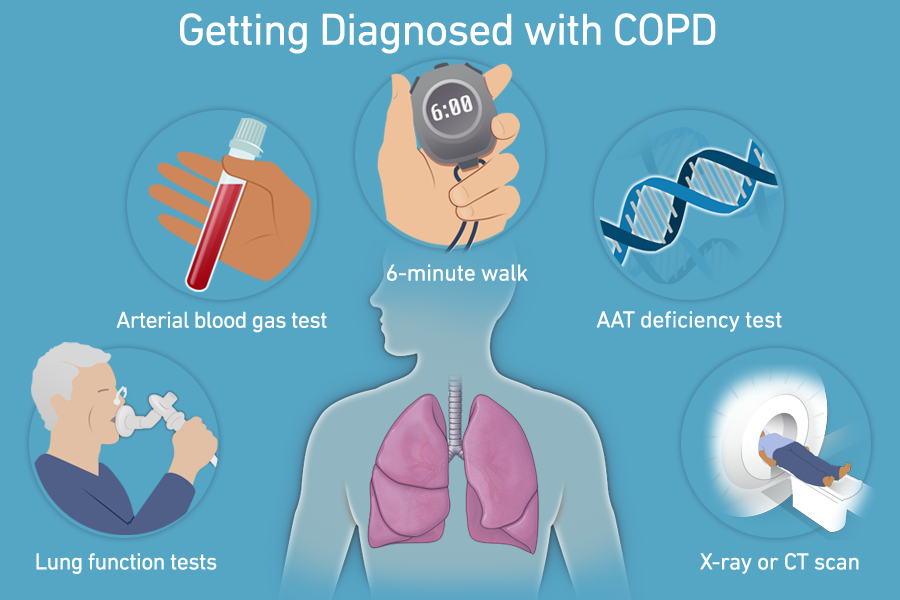
Accurate diagnosis is the cornerstone of effective COPD management. Traditional spirometry remains the gold standard, measuring forced expiratory volume in one second (FEV₁) and forced vital capacity (FVC). However, modern respiratory medicine increasingly relies on fractional exhaled nitric oxide (FeNO) to assess airway inflammation—a key factor in distinguishing COPD from asthma and guiding personalized treatment.
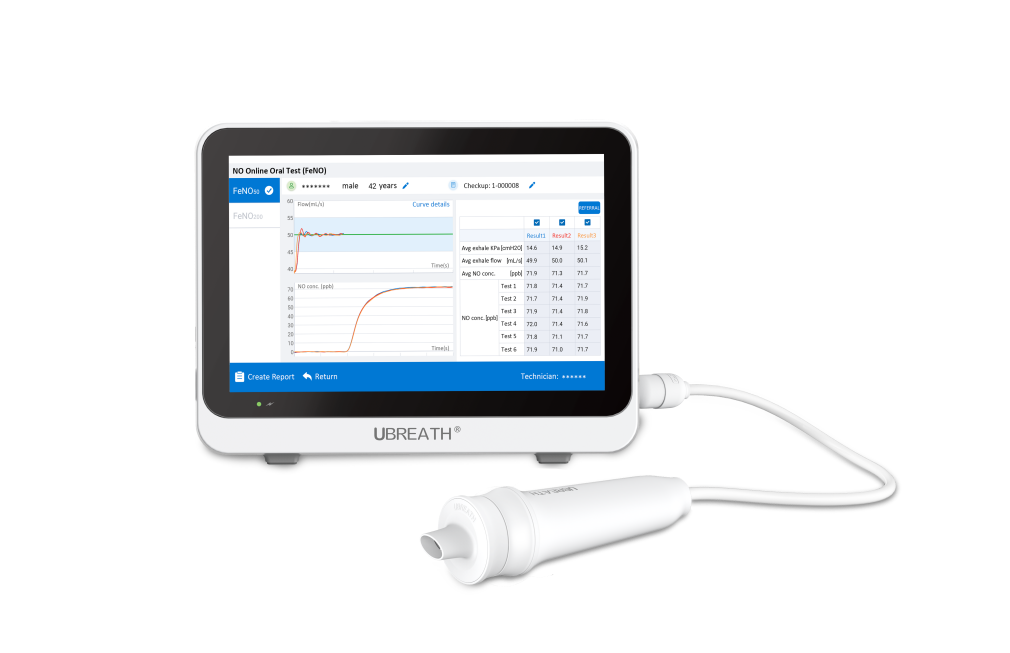
This is where precision technology makes a difference. The e-LinkCare BA200 Exhaled Breath Analyzer represents a significant advancement in respiratory diagnostics. Designed for both clinical and research settings, the BA200 combines high‑sensitivity detection with automated quality control.
Key features of the BA200 include:
High‑sensitivity NO detection down to 1.0 ppb, achieved through proprietary signal‑processing technology (China Patent ZL202210052659.6)
Automatic flow control that ensures consistent exhalation flow, critical for reproducible FeNO measurements
Real‑time measurement curves that allow clinicians to monitor sampling quality during the test
Support for combined upper and lower airway testing, with physical separation of inhalation and exhalation paths to reduce cross‑infection risk
Environmental interference calibration using built‑in temperature, humidity, and atmospheric pressure sensors
Standardized quality assurance with integrated repeatability checks and support for three repeated measurements
By delivering stable, traceable results in a user-friendly interface, the BA200 empowers healthcare providers to make more informed decisions—whether in diagnosing early‑stage COPD, differentiating asthma from COPD, or monitoring treatment response.
Why Early Detection Matters
COPD is not curable, but it is manageable. Early diagnosis offers the best chance to slow disease progression and preserve quality of life. Interventions such as smoking cessation, pulmonary rehabilitation, appropriate use of bronchodilators and inhaled corticosteroids, and vaccination against influenza and pneumococcus can significantly reduce exacerbations and hospitalizations.
In clinical practice, early detection also enables better patient education. When individuals understand their condition early, they are more likely to adhere to treatment plans and make lifestyle changes that protect remaining lung function.
Living with COPD: A Holistic Approach
Managing COPD goes beyond medications. A comprehensive care plan includes:
Pulmonary rehabilitation: structured exercise, education, and support to improve symptoms and daily functioning
Nutritional support: maintaining a healthy weight, as both underweight and obesity are associated with worse outcomes
Self-management skills: recognizing early signs of exacerbation and knowing when to seek help
Mental health care: addressing anxiety and depression, which are common in people with chronic respiratory disease
Technological tools like the BA200 also play a role in longitudinal management. By offering real‑time feedback and consistent quality metrics, they help both clinicians and patients track airway inflammation over time, enabling timely adjustments to therapy.
Take the Next Breath
If you or someone you know has a chronic cough, shortness of breath, or risk factors for COPD, do not wait. A simple, non‑invasive breath test can provide critical insights into lung health. With innovations such as the e-LinkCare BA200, precision respiratory care is no longer a future promise—it is available today, one breath at a time.