
Living with diabetes requires a mindful approach to daily choices, and at the heart of successful management lies nutrition. Dietary control is not about deprivation; it’s about understanding how food affects your body and making empowered choices to maintain stable blood glucose levels, achieve a healthy weight, and prevent complications. This guide outlines the core principles, strategies, and practical tips for effective dietary management of diabetes.

1. The Core Principles: Goals of a Diabetic Diet
The primary goals of a diabetic eating plan are:
Blood Glucose Control: To maintain blood sugar levels within your target range, avoiding dangerous spikes and dips.
Weight Management: To achieve and maintain a healthy body weight, which improves insulin sensitivity.
Heart Health: To reduce the risk of cardiovascular diseases, which are common complications of diabetes, by managing blood pressure and cholesterol.
Overall Well-being: To ensure intake of essential nutrients for energy, immune function, and overall health.
2. Key Macronutrient Strategies
A. Carbohydrates: The Quality and Quantity Balance
Carbohydrates have the most immediate impact on blood sugar. Managing them is crucial.
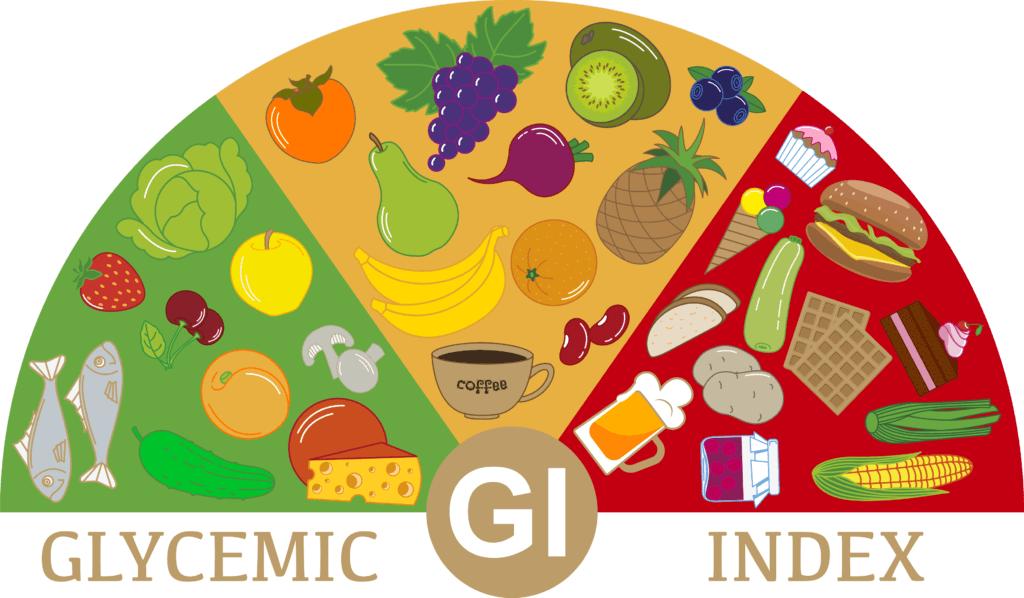
Choose Quality (Focus on Low Glycemic Index – GI): Opt for complex carbohydrates that are digested slowly, causing a gradual rise in blood sugar.
Excellent Choices: Whole grains (oats, quinoa, brown rice, whole-wheat bread), legumes (lentils, beans, chickpeas), non-starchy vegetables (leafy greens, broccoli, peppers), and most fruits (berries, apples, pears).
Limit: Refined carbs and sugars (white bread, white rice, pasta, sugary cereals, pastries, candy, and sugar-sweetened beverages).
Manage Quantity (Portion Control): Even healthy carbs can raise blood sugar if eaten in large amounts. Learn to estimate carbohydrate portions using methods like carbohydrate counting or the plate method.
Embrace Fiber: High-fiber foods slow down sugar absorption. Aim for a minimum of 25-30 grams of fiber daily from vegetables, fruits, nuts, and whole grains.
B. Protein: Lean and Steady
Protein provides satiety (a feeling of fullness) and has a minimal direct effect on blood glucose.
Excellent Choices: Fish (especially fatty fish like salmon rich in omega-3s), skinless poultry, eggs, lean meats, tofu, tempeh, and low-fat dairy products like Greek yogurt.
Limit: Processed meats (sausages, bacon, hot dogs) and high-fat cuts of red meat.
C. Fats: The Right Kind for Heart Health
Diabetes increases the risk of heart disease, so choosing healthy fats is paramount.
Choose Unsaturated Fats (Heart-Healthy): These fats can improve cholesterol levels.
Sources: Avocados, nuts (almonds, walnuts), seeds (chia, flaxseed), and oils like olive oil and canola oil.
Limit Saturated and Trans Fats (Unhealthy): These fats increase cholesterol and inflammation.
Sources: Fried foods, baked goods, red meat, full-fat dairy, and packaged snacks containing “partially hydrogenated oils.”
3. Practical Eating Habits and Techniques
Portion Control – The Plate Method: A simple visual guide for every meal:
½ of your plate: Non-starchy vegetables (spinach, carrots, tomatoes).
¼ of your plate: Lean protein (chicken, fish, tofu).
¼ of your plate: Complex carbohydrates (quinoa, sweet potato, brown rice).
Add: A serving of fruit and a healthy fat on the side.
Meal Timing and Consistency: Avoid large, infrequent meals. Eating smaller, balanced meals and snacks every 3-4 hours helps prevent extreme blood sugar fluctuations.
Mindful Eating Order: Research suggests that eating vegetables and protein before carbohydrates can significantly blunt the post-meal blood sugar spike. Try the sequence: Vegetables → Protein/Fat → Carbohydrates.
Read Food Labels: Become a detective. Pay close attention to:
Total Carbohydrates: Includes sugar, fiber, and starch.
Added Sugars: Look for and avoid foods high in added sugars.
Serving Size: All the information on the label is based on this amount.
Stay Hydrated: Drink plenty of water. Avoid sugary sodas, fruit juices, and energy drinks. Opt for water, sparkling water, or unsweetened tea and coffee.
4. Debunking Common Myths
Myth 1: “You must avoid all sugar completely.”
Truth: Small, controlled amounts of sugar can be part of a diabetic diet if substituted for other carbohydrates and eaten within a balanced meal. The focus is on overall carbohydrate intake.
Myth 2: “You should eat special ‘Diabetic’ foods.”
Truth: These products are often expensive, high in fat, and may contain sugar alcohols that can cause digestive upset. Whole, natural foods are always the best choice.
Myth 3: “Fruit is unhealthy because it’s sweet.”
Truth: Whole fruit is packed with fiber, vitamins, and antioxidants. While it contains natural sugar (fructose), its fiber content moderates the blood sugar impact. The key is to choose whole fruit over fruit juice and control portion sizes.
5. Conclusion: A Sustainable Lifestyle, Not a Restrictive Diet
Diabetes dietary management is a journey of learning and adaptation. There is no one-size-fits-all plan. The most effective approach is personalized, sustainable, and focused on wholesome, nutrient-dense foods.
Crucially, always work closely with your healthcare team, including a doctor and a registered dietitian. They can help you create a tailored meal plan that aligns with your health status, medications, and personal preferences, empowering you to live a full and healthy life with diabetes.
Post time: Sep-05-2025