
What is Asthma?
Asthma is a chronic (long-term) lung disease that affects the airways—the tubes that carry air in and out of your lungs. In people with asthma, these airways are often inflamed and sensitive. When exposed to certain triggers, they can become even more swollen, and the muscles around them can tighten. This makes it difficult for air to flow freely, causing asthma symptoms, often referred to as an "asthma attack" or exacerbation.
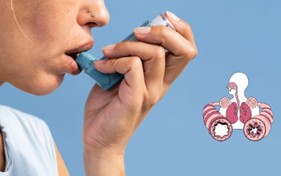
What Happens During an Asthma Attack?
The process involves three key changes in the airways:
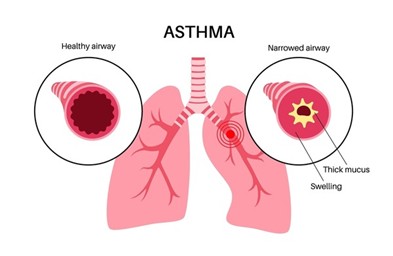
Inflammation and Swelling: The lining of the airways becomes red, swollen, and produces excess mucus.
Bronchoconstriction: The muscles surrounding the airways tighten.
Increased Mucus Production: Thick mucus plugs the already narrowed airways.
Together, these changes make the airways much narrower, like a straw being squeezed. This leads to the characteristic symptoms.
Common Symptoms
Asthma symptoms can vary from person to person and from time to time. They include:
- Shortness of breath
- Wheezing (a whistling or squeaky sound when breathing)
- Chest tightness or pain
- Coughing, often worse at night or early in the morning
Different people have different triggers. Common ones include:
- Allergens: Pollen, dust mites, mold spores, pet dander, cockroach waste.
- Irritants: Tobacco smoke, air pollution, strong chemical fumes, perfumes.
- Respiratory Infections: Colds, flu, sinus infections.
- Physical Activity: Exercise can induce symptoms (Exercise-Induced Bronchoconstriction).
- Weather: Cold, dry air or sudden changes in weather.
- Strong Emotions: Stress, laughter, or crying.
- Certain Medications: Like aspirin or other non-steroidal anti-inflammatory drugs (NSAIDs) in some people.
Diagnosis and Treatment
There is no single test for asthma. Doctors diagnose it based on medical history, a physical exam, and lung function tests, such as spirometry, which measures how much and how fast you can exhale air.
While there is no cure for asthma, it can be very effectively managed with proper treatment, allowing people to live full, active lives. Treatment typically involves two main types of medications:
Long-Term Control Medications (Preventers): Taken daily to reduce underlying inflammation and prevent symptoms. The most common are inhaled corticosteroids (e.g., fluticasone, budesonide).
Quick-Relief (Rescue) Medications: Used during an asthma attack to provide fast relief by relaxing the tightened airway muscles. These are usually short-acting beta agonists (SABAs) like albuterol.
A key part of management is creating a personalized Asthma Action Plan with your doctor. This written plan details what medications to take daily, how to recognize worsening symptoms, and what steps to take (including when to seek emergency care) during an attack.
Living with Asthma
Effective asthma management goes beyond medication:
Identify and Avoid Triggers: Work to minimize exposure to your known triggers.
Monitor Your Breathing: Regularly check your peak flow (a measure of how well air moves out of your lungs).
Get Vaccinated: Annual flu shots and staying up-to-date on pneumonia vaccines can prevent illnesses that may trigger attacks.
Stay Active: Regular exercise strengthens your heart and lungs. Work with your doctor to manage exercise-induced symptoms.
When to Seek Emergency Help
Seek immediate medical attention if:
Your quick-relief inhaler doesn’t provide relief or relief is very short-lived.
You have severe shortness of breath, can barely speak, or your lips/fingernails turn blue.
Your peak flow reading is in the "red zone" as outlined in your action plan.

The Big Picture
Asthma is a common condition affecting millions worldwide, from children to adults. With modern medicine and a good management plan, asthma flare-ups can be prevented, and symptoms controlled. If you suspect you or a loved one has asthma, consulting a healthcare provider is the essential first step toward breathing easier.
Chronic airway inflammation is a general feature of some types of asthma, cystic fibrosis (CF), bronchopulmonary dysplasia (BPD), and chronic obstructive pulmonary disease (COPD).
In today’s world, a noninvasive,simple, repeatable, quick, convenient, and relatively low cost test called Fractional exhaled nitric oxide (FeNO), often plays a role to help identify airway inflammation, and thereby support a diagnosis of asthma when there is diagnostic uncertainty.
Fractional concentration of carbon monoxide in exhaled breath (FeCO), similar to FeNO, has been evaluated as a candidate breath biomarker of pathophysiological states, including smoking status, and inflammatory diseases of the lung and other organs.
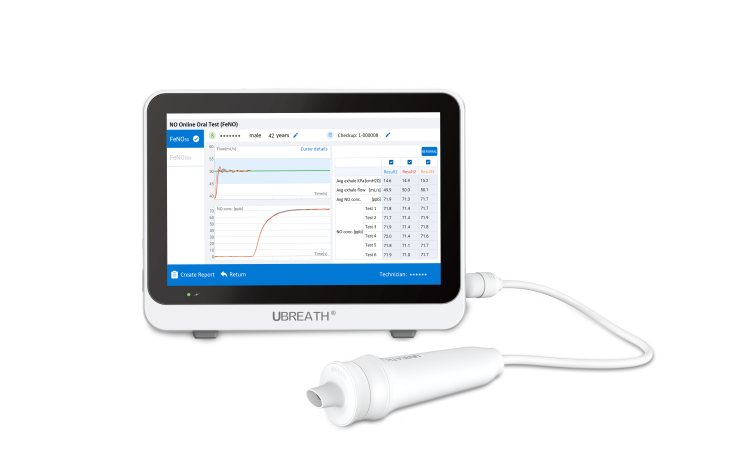
UBREATH Exhalation analyzer (BA810) is a medical device designed & manufactured by e-LinkCare Meditech to associate with both FeNO and FeCO testing to provide rapid, precise, quantitative measurement in order to assist with clinical diagnosis and management such as asthma and other chonic airway inflammations.
Post time: Dec-16-2025