
Introduction
In the realm of nutrition and wellness, the ketogenic, or "keto," diet has surged in popularity. More than just a weight-loss trend, it's a metabolic intervention with roots in medical therapy. Central to successfully and safely navigating this dietary approach is understanding ketosis and the role of monitoring, specifically through blood ketone testing. This article explores the science behind ketosis and explains how to measure your ketone levels effectively.
Part 1: Understanding Ketogenic Nutrition
At its core, the ketogenic diet is a very low-carbohydrate, high-fat, and moderate-protein eating plan. Its primary goal is to shift your body's primary fuel source from glucose (derived from carbs) to ketones (derived from fat).
The Metabolic Shift: Typically, your body breaks down carbohydrates into glucose for energy. By drastically reducing carb intake (usually to 20-50 grams net carbs per day) and maintaining adequate protein, the body depletes its stored glucose (glycogen). This forces the liver to convert fats into fatty acids and ketone bodies—water-soluble molecules that can fuel the brain, heart, and muscles.
Types of Ketone Bodies: Three primary ketone bodies are produced:
Acetoacetate: The first ketone created.
Beta-hydroxybutyrate (BHB): The most abundant and stable ketone in the blood, converted from acetoacetate. It's the primary fuel during ketosis.
Acetone: A volatile byproduct, often excreted through breath.
Potential Benefits: Beyond weight loss facilitated by fat burning and appetite suppression, research suggests ketogenic diets may offer benefits for:
Neurological Health: Originally developed for drug-resistant epilepsy.
Metabolic Health: Improving insulin sensitivity, blood sugar control, and triglyceride levels.
Mental Focus & Energy: Providing a steady fuel source for the brain.
Part 2: Monitoring Ketosis: The "Why" and "How"
Entering and maintaining nutritional ketosis is the diet's objective. While symptoms like reduced hunger or increased energy can be clues, they are subjective. Objective measurement through ketone testing is the gold standard for confirming your metabolic state.
Methods of Ketone Testing:
Blood Ketone Monitoring (Most Accurate): This method measures the level of beta-hydroxybutyrate (BHB) in your blood using a handheld meter and specific test strips (different from glucose strips).
How it works: A small lancet draws a drop of blood, applied to a strip inserted into the meter.
Interpretation:
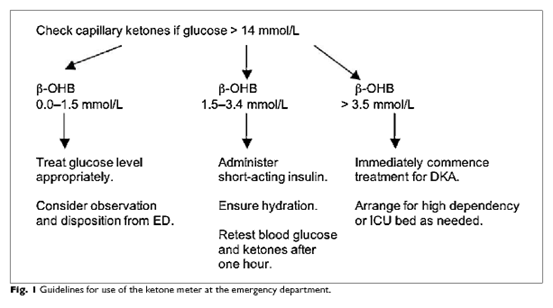
0.5 - 1.5 mmol/L: Light nutritional ketosis. You're getting started.
1.5 - 3.4mmol/L: Optimal ketosis for most goals like weight loss and mental clarity.
Above 3.5 mmol/L: Higher levels, not necessarily better for weight loss. Often seen in fasting or therapeutic medical protocols.
Pros: Highly accurate, reflects real-time ketone status.
Cons: Cost of meter and strips; involves a finger prick.

Why Monitor Blood Ketones?
Confirmation: Verifies you are in ketosis.
Personalization: Helps you find your personal carb/protein threshold.
Troubleshooting: If progress stalls, checking ketones can help determine if hidden carbs or excess protein are interrupting ketosis.
Safety: For individuals with type 1 diabetes or other medical conditions, monitoring is crucial to avoid the risk of diabetic ketoacidosis (DKA), a dangerous condition distinct from nutritional ketosis.
Important Considerations & Safety:The ketogenic diet is a powerful tool but not suitable for everyone. Consult a healthcare professional before starting, especially if you have conditions like pancreatic, liver, thyroid, or gallbladder disease, or a history of eating disorders. Potential side effects ("keto flu") like fatigue and headaches are often temporary and linked to electrolyte imbalance.
Conclusion
The ketogenic diet works by inducing a metabolic state of ketosis. For those committed to this approach, blood ketone monitoring provides a clear, accurate window into your metabolic status, moving beyond guesswork. By measuring beta-hydroxybutyrate, you can personalize your diet, track your adaptation, and ensure you are safely and effectively reaching your health goals. Remember, knowledge and accurate data are your best allies on any wellness journey.
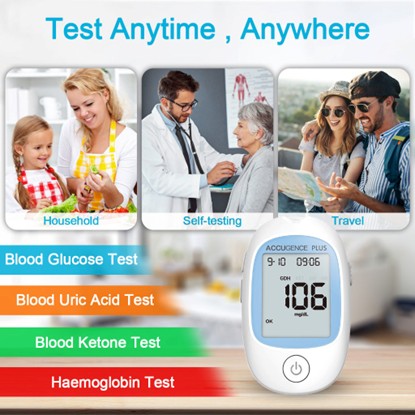
The ACCUGENCE ® Multi-Monitoring System can provide four detection methods of Blood ketone, meet the test needs of people in keto diet. The test method is convenient and fast, and can provide accurate test results, helping you to understand your physical condition in time and obtain better effects of losing weight and treatment.
ACCUGENCE ® Blood ketone Test Strip are designed specifically for the quantitative measurement of Blood ketone level in whole blood in conjunction with the ACCUGENCE series Multi-monitoring System.
Post time: Dec-15-2025