How to Track Your Uric Acid Levels and Gout Flares: A Comprehensive Guide
If you are among the millions of people living with gout or asymptomatic hyperuricemia (persistently high uric acid), you have likely experienced the frustration of unpredictable, excruciating pain. Gout is often called the "disease of kings," but for those who suffer from it, there is nothing regal about waking up in the middle of the night with a throbbing, swollen big toe. While medication and dietary changes are cornerstones of treatment, there is a simple yet profoundly effective tool that is often overlooked: keeping a personal health record. Tracking your uric acid levels and the details of each flare is not just busywork for hypochondriacs; it is one of the most powerful, evidence-based strategies you can employ to take control of your condition. This log transforms vague memories into hard data, allowing you and your doctor to identify patterns, fine-tune treatments, and ultimately prevent future attacks before they steal weeks of your life.

Why Keeping a Written Record Is More Important Than You Think
Human memory is notoriously unreliable, especially when it comes to details like what you ate three days ago or exactly how many glasses of water you drank before a flare began. When you sit in your doctor’s waiting room, your recollection of the past three months often condenses into a few blurry impressions. A well-maintained tracking log changes that entirely by providing objective, chronological answers to critical questions. For instance, is your uric acid consistently staying below the recommended target level, which is usually less than 6 milligrams per deciliter (mg/dL) or 360 micromoles per liter (μmol/L)? Can you pinpoint exactly which combination of foods, drinks, or life events triggers your flares? Are the medications you are taking—whether it's allopurinol, febuxostat, or colchicine—actually working as intended, or are you experiencing diminishing returns or side effects? Without a written record, you are essentially guessing. With a log, you move from being a passive sufferer to an active investigator of your own health. Many patients discover surprising patterns, such as a flare consistently following a night of poor sleep or a weekend of hiking, not just after a beer and a steak. This level of insight is only possible when you commit to writing things down regularly.
What Specific Details Should You Include in Your Log?
To be truly useful, your log needs to capture more than just a date and a pain score. Think of yourself as a scientist studying a single subject: your body. You should aim to record information across four distinct categories, each of which provides a piece of the larger puzzle. First and foremost are your uric acid readings. For each test, note the exact date and time—ideally in the morning after an overnight fast, as this yields the most consistent and comparable results. Record the numerical value along with the unit of measurement, and also note where the test was performed, such as at a laboratory, your doctor's office, or using a home finger-prick meter. Finally, jot down any recent changes to your medication regimen, as a dose adjustment will directly influence these numbers.
The second category focuses on the details of each gout flare you experience. The moment you feel that telltale tingle or twinge in a joint, start documenting. Write down the precise start date and time, and identify which joint is affected—common sites include the big toe (podagra), ankle, knee, wrist, or elbow. Use a 0-to-10 pain scale where 0 means no pain and 10 represents the worst pain you can possibly imagine, and be honest about the severity. Describe the physical signs of inflammation, such as swelling and redness, using simple terms like mild, moderate, or severe. After the flare resolves, make a note of how long the entire episode lasted, from the first subtle symptom to the day you feel completely back to normal. Also record any treatments you used during the attack, such as applying ice packs, resting the joint completely, taking nonsteroidal anti-inflammatory drugs (NSAIDs) like ibuprofen, or using prescription medications like colchicine.
The third essential category is potential triggers that may have precipitated the flare. Look back at the 24 to 48 hours before the attack began. Did you consume any high-purine foods, such as red meat, organ meats (liver, kidney), or certain seafoods like sardines, anchovies, and mussels? What about beverages? Beer and hard liquor are notorious for raising uric acid, but sugary sodas and fruit juices—rich in fructose—can be just as problematic. Beyond diet, consider physical factors. Did you injure that joint recently, or did you walk an unusually long distance? Your body's internal state matters too: were you dehydrated, running a fever, recovering from a recent surgery, or under an immense amount of stress? Finally, be aware that certain medications can trigger flares, including diuretics (often called water pills), low-dose aspirin, and some antibiotics. Recording these details meticulously will gradually reveal your unique trigger profile.
The fourth category involves recording daily basics, which is optional but extremely helpful if you experience frequent or unpredictable flares. This includes tracking your daily water intake in cups or liters (most guidelines recommend at least two to three liters per day for gout patients), any medications you take consistently, and your subjective levels of unusual stress or lack of sleep, both of which can influence inflammation and uric acid levels.

How Often Should You Be Tracking and Testing?
The frequency of your tracking efforts will depend on your current health status and treatment phase. For uric acid levels, a good rule of thumb is to test at least once per month when your levels are stable and you are not experiencing frequent flares. However, during periods when you are starting a new medication or adjusting the dosage of an existing one, you should test every two to four weeks to see how your body is responding. This frequent monitoring allows your doctor to make timely adjustments, potentially saving you months of ineffective treatment.
When it comes to gout flares, you should begin tracking immediately when you suspect one is starting. Do not wait to see if it gets worse—the earliest signs are often subtle, like a slight stiffness or unusual warmth in a joint. Once the flare is underway, make a habit of writing down a brief update every single day during the acute attack. This daily record will help you and your doctor understand the typical duration and trajectory of your flares. Finally, daily basics—like water intake and stress levels—only need to be recorded consistently if you notice that you are flaring frequently. If you go months between attacks, you can simply focus on capturing the details of each flare and your monthly uric acid readings without the burden of daily note-taking.
Choosing the Right Tools for Your Tracking System
One of the most common reasons people fail to track consistently is that they choose a method that feels like a chore. The best tracking system is the one you will actually use without resentment. You have several excellent options to choose from. A paper log is simple, reliable, and requires no batteries or technical skills. You can print a pre-formatted table or simply use a dedicated notebook that you keep on your bathroom counter or bedside table. Many patients enjoy the tactile act of writing things down by hand. For those who prefer digital solutions, a spreadsheet using Google Sheets or Microsoft Excel is a fantastic choice. Spreadsheets allow you to sort your data, create charts that visualize trends in your uric acid levels over time, and even use color-coding to highlight problem areas. Finally, there are many gout-specific mobile apps available for both iOS and Android, such as "Gout Help," "Uric Acid Tracker," or general symptom trackers that can be customized. The best apps include features like medication reminders, photo uploads to document joint swelling, and the ability to export a PDF report to share with your doctor during appointments.
A Concrete Example of a Daily Log Entry
To bring all of these concepts together, it is helpful to see what a typical log entry might look like in practice. Imagine you are writing in your log on a Wednesday morning. You might record the following: April 15, 2026 – 8:00 AM (fasting). Your uric acid reading is 5.8 mg/dL, measured with your home meter. You note that you are not currently experiencing a flare. Under medications, you write that you took your usual 300 mg dose of allopurinol yesterday. For daily basics, you note that you drank about 2 liters of water the previous day. In the notes section, you honestly record that you ate shrimp and drank a beer last night, acknowledging that this is a known risk but that you will watch carefully for any signs of trouble tomorrow.
Now consider an entry for a different day. April 16, 2026 – 2:00 AM. You wake up to the unmistakable sensation of a flare beginning. The location is your right big toe, and you rate the pain as a 7 out of 10. You observe that the joint is both swollen and red. Your immediate actions are to take 0.6 mg of colchicine and apply an ice pack for 15 minutes. Finally, in the possible triggers section, you note the shrimp and beer from the previous night, adding yet another piece of evidence to your personal trigger profile.
What to Look for When You Review Your Log
After you have been tracking consistently for one to three months, set aside some quiet time to review your notes. You are looking for patterns, not individual events. Ask yourself a series of guided questions. Do flares almost always follow the consumption of a specific food or a particular type of alcoholic beverage? Does your uric acid level visibly spike in the days leading up to a flare, assuming you are testing frequently enough to catch it? Are you actually taking your prescribed medication every day, or do the gaps in your record reveal a pattern of forgetfulness? Do you notice that you tend to flare more during weeks when your water intake falls below 1.5 liters per day? These insights are pure gold. Write them down on a separate summary page and bring them with you to every doctor's appointment. Your rheumatologist will be genuinely impressed and grateful for this level of detail, as it allows them to make far more precise treatment decisions than vague patient recollections ever could.
One Common and Costly Mistake to Avoid
By far the most common error that patients make is stopping their tracking efforts entirely when they feel good. It is a completely understandable human impulse. When the pain is gone and life returns to normal, the last thing anyone wants to do is dwell on their illness by writing things down in a log. However, this is a strategic mistake. The time between flares—when your uric acid levels are hopefully under control—is actually the most valuable period to track. This is when you can see what is working. You can observe the positive effects of your medication, your dietary changes, and your hydration habits without the confusing background noise of acute inflammation. If you only track when you are suffering, you will always be reacting to crises rather than preventing them. So make a commitment to yourself: you will open your log at least once a week, even if you feel perfectly healthy. That simple habit is the difference between managing your condition and being managed by it.
When You Should Absolutely Call Your Doctor
While tracking is an excellent self-management tool, it is not a substitute for professional medical care. Your log should empower you to know when it is time to seek help. Call your doctor if you notice any of the following red flags in your records. First, if your uric acid remains consistently above your target level for two or more consecutive tests despite taking your medication as prescribed, your dosage may need adjustment. Second, if your flares are becoming more frequent—for example, if you have two or more attacks within a six-month period—your treatment plan is not working adequately. Third, if an individual flare lasts for more than two weeks or begins to involve multiple joints at the same time, that could indicate a more serious or complicated inflammatory process. Fourth, if you start to notice small, hard, painless lumps forming under the skin, particularly around your fingers, elbows, or ears, these are likely tophi—deposits of urate crystals that indicate long-standing, poorly controlled gout. Finally, any symptoms of kidney stones, such as severe flank pain, blood in your urine, or difficulty urinating, warrant an immediate call to your doctor, as high uric acid can lead to crystal formation in the kidneys as well.
One Final Tip for Long-Term Success
The single most effective strategy for making tracking a lifelong habit is to reduce the friction involved. Do not bury your notebook in a drawer or hide a tracking app in a folder on the third screen of your phone. Instead, make it stupidly easy. Keep a small, dedicated notebook on your bathroom counter next to your toothbrush, so you see it every morning and night. If you prefer digital tools, install a tracking app that offers a home screen widget, allowing you to enter a reading with two taps without even opening the full application. The thirty seconds it takes each day to jot down your numbers, your symptoms, and your possible triggers is a minuscule investment of time. But over the course of months and years, that small daily habit can save you from weeks of excruciating pain, missed work, disrupted sleep, and the deep frustration of feeling like your body has betrayed you. You cannot control every factor that influences your uric acid levels—genetics will always play a role—but you can absolutely control how well you understand your own patterns. That understanding is the foundation of true empowerment in living with gout.
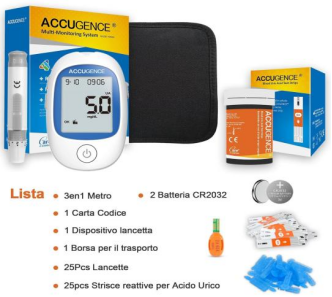
Consider a Home Uric Acid Meter: For some patients, using a home blood uric acid meter can be empowering. It allows you to see how your lifestyle choices and medication affect your levels, providing immediate feedback. The ACCUGENCE ® Multi-Monitoring System can provide effective and accurate detection method of uric acid, meet the test needs of people in gout patients. The test method is convenient and fast, and can provide accurate test results, helping you to understand your physical condition in time and obtain better effects of treatment.