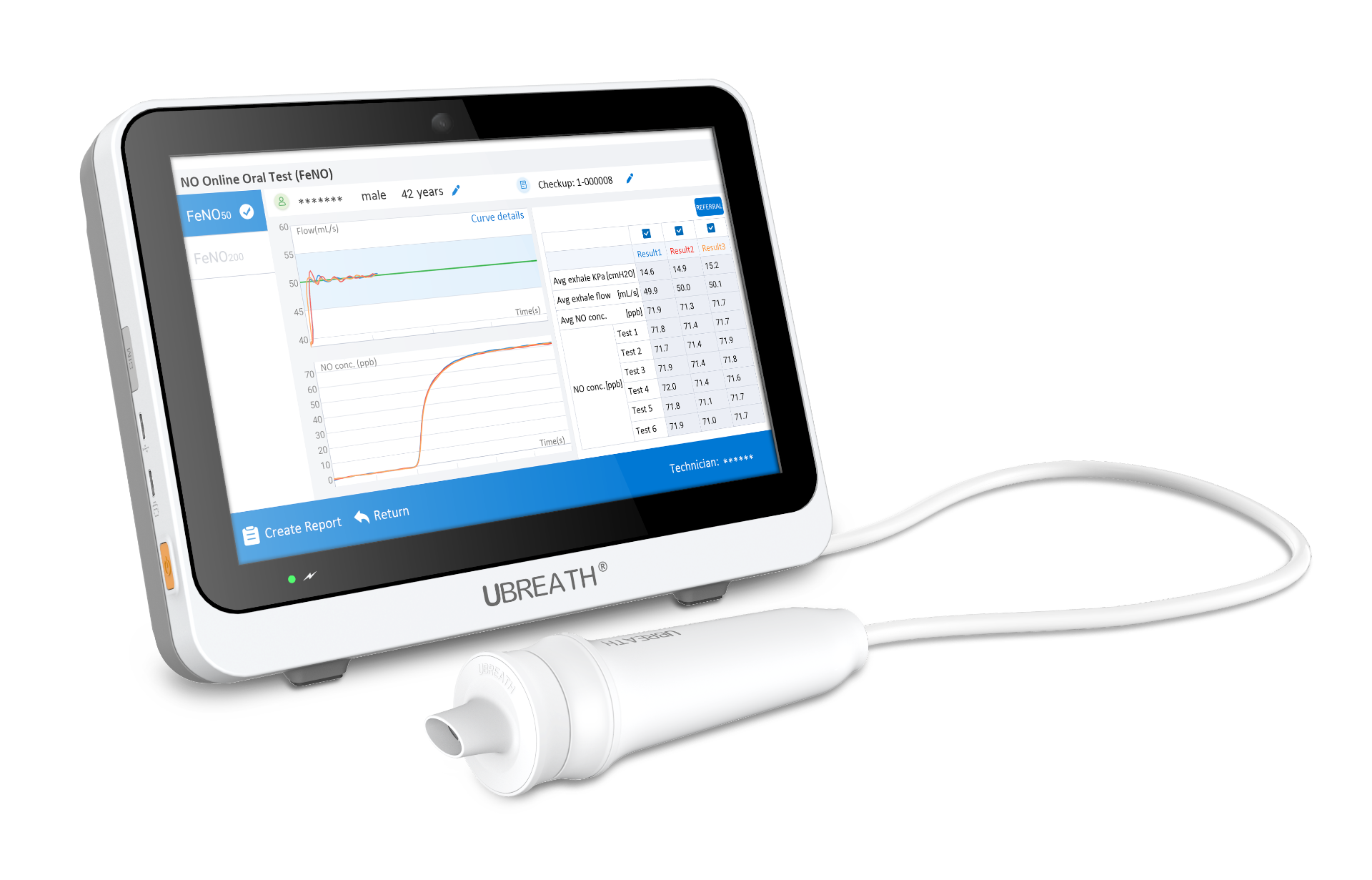
Understanding Your Breathing: A Comprehensive Guide to Pulmonary Function Tests
Most people are familiar with routine checks for blood pressure, cholesterol, or blood sugar, but few give the same attention to their lungs until something feels wrong. A pulmonary function test (PFT) is to the lungs what a stress test is to the heart—a direct, reliable, and non‑invasive way to measure how well your respiratory system is performing. In essence, a PFT evaluates how much air your lungs can hold, how quickly you can move air in and out, and how effectively oxygen passes from your lungs into your bloodstream.
These tests are not only useful for diagnosing lung diseases but also for monitoring existing conditions, guiding treatment decisions, and even assessing your fitness for surgery. By providing a numerical picture of lung health, PFTs transform vague symptoms like breathlessness into quantifiable data that doctors can act upon. Whether you are a long‑time smoker, someone with a persistent cough, or simply curious about your respiratory fitness, understanding what a PFT involves and why it matters could be an important step toward protecting your health.
Why and When Should You Consider a Pulmonary Function Test?
Doctors typically recommend a pulmonary function test when a patient reports symptoms that suggest the lungs may not be working optimally. The most common of these symptoms include a chronic cough that lasts for weeks or months, wheezing (a whistling sound when breathing), unexplained chest tightness, or—most importantly—shortness of breath that appears during mild activity or even at rest. It is a common misconception that feeling “a little winded” during exercise is always normal; in fact, a significant decline in exercise tolerance can be one of the earliest clues to a developing lung problem.
Beyond symptoms, PFTs are frequently ordered for people with known risk factors. The most significant risk factor by far is a history of smoking, but occupational exposure to dust, asbestos, coal, silica, or chemical fumes also puts people at higher risk for diseases like chronic obstructive pulmonary disease (COPD) or pulmonary fibrosis. Additionally, PFTs are often required before major surgeries, particularly those involving the chest or abdomen, because anaesthesia and post‑operative pain can strain the lungs. In these cases, the test helps the surgical team predict whether a patient will need extra breathing support after the operation.
Finally, PFTs are indispensable for monitoring chronic lung conditions. If you already have asthma, COPD, or interstitial lung disease, repeating the test at regular intervals allows your doctor to see if the disease is stable, worsening, or responding to medication. Without this objective data, both patients and doctors might rely only on symptoms, which can be misleading—someone can lose a significant amount of lung function without feeling dramatically different day to day.
Who Should Undergo Regular, Periodic Pulmonary Function Testing?
While a single PFT can be useful, regular testing over time is even more valuable for certain groups of people. The first and most obvious group comprises current and former smokers over the age of forty. Many long‑term smokers develop COPD gradually, often dismissing early signs like a morning cough or mild breathlessness as normal parts of ageing or smoking. Regular spirometry—the most basic and important type of PFT—can detect COPD years before it becomes disabling, and early detection allows for interventions that slow disease progression, such as smoking cessation programmes, inhalers, and pulmonary rehabilitation.
The second group that benefits from periodic testing includes individuals who work in high‑risk environments. Miners, construction workers, firefighters, factory workers in textile or chemical plants, and agricultural workers who inhale grain dust all face elevated risks of occupational lung diseases. For these individuals, an annual or biennial PFT can serve as an early warning system, sometimes prompting workplace changes or protective equipment before irreversible damage occurs. The third group is people with a family history of lung disease, particularly genetic conditions like alpha‑1 antitrypsin deficiency, which predisposes individuals to early‑onset emphysema even without smoking.
Finally, anyone who already carries a diagnosis of a chronic lung disease—asthma, COPD, cystic fibrosis, or pulmonary fibrosis—should typically have a PFT once a year, or more frequently if their symptoms change. In asthma, for example, serial PFTs can reveal whether the disease is well‑controlled or whether the treatment regimen needs to be stepped up. Without regular testing, patients and doctors alike may miss gradual declines in lung function until the losses become irreversible.
How Is a Pulmonary Function Test Performed?
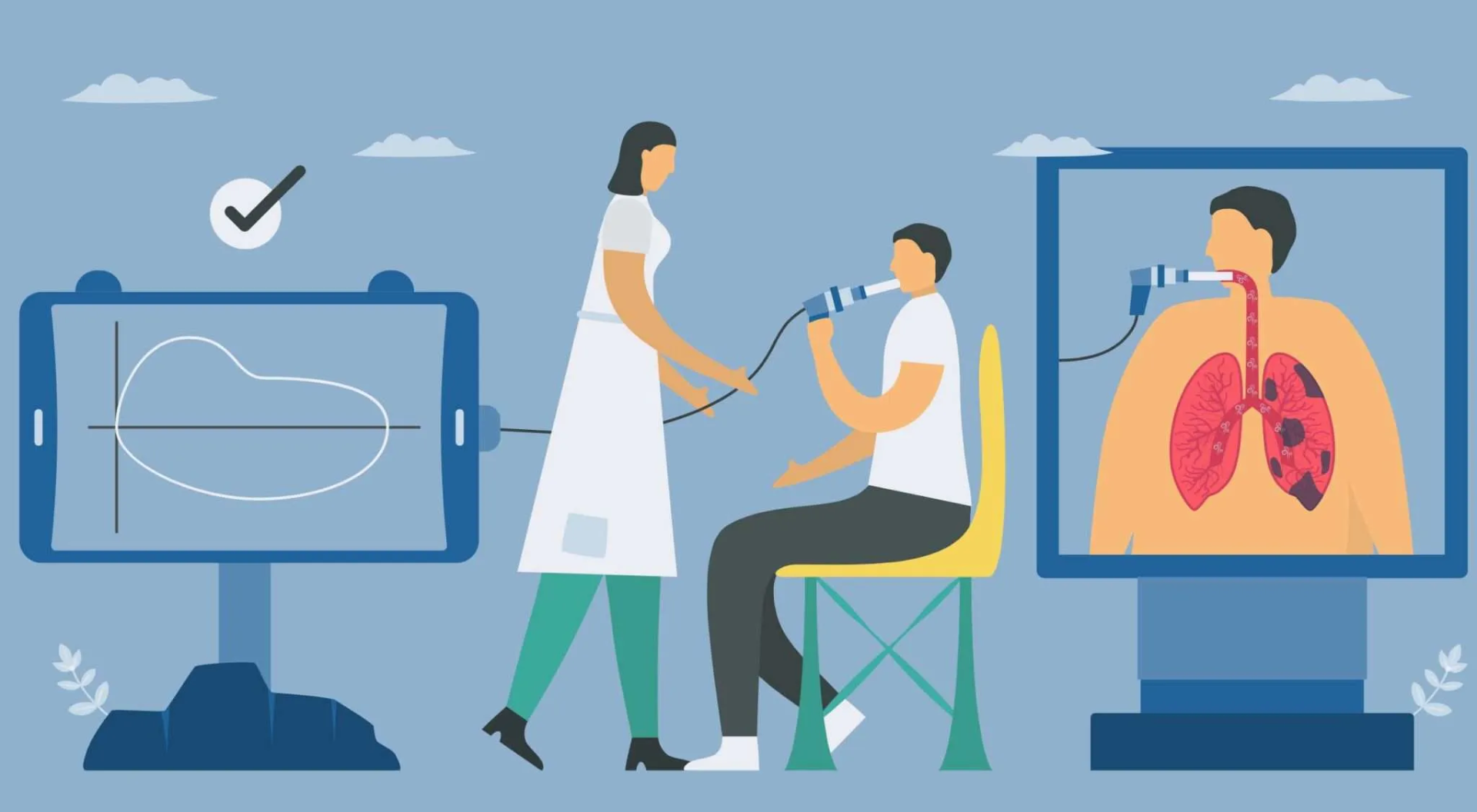
The most common and fundamental type of pulmonary function test is called spirometry, which measures how much air you can exhale and how fast you can do it. The entire process usually takes between thirty and sixty minutes, though the active breathing efforts only take a few minutes of that time. You will be seated comfortably in a chair, and a soft clip will be placed on your nose to prevent air from leaking out through your nostrils. This is important because every bit of air you exhale must go through your mouth and into the machine for an accurate measurement. You will then be given a sterile, disposable mouthpiece attached to a device called a spirometer, which contains a sensor that records airflow.
The technician will guide you through three distinct phases of breathing. First, you breathe in and out normally for a few cycles to get used to the mouthpiece. Second, you take the deepest breath possible—filling your lungs completely, as if you are about to dive underwater. Third, and most importantly, you blast the air out as hard and as fast as you possibly can, as if you are trying to blow out all the candles on a large birthday cake in a single second. You must continue blowing until your lungs feel completely empty, even after the initial force has faded.
This last part is often the most challenging because the natural instinct is to stop blowing once the air feels “gone,” but the machine continues to record the final, slower portion of exhalation, which provides crucial information about small airway function. You will repeat this entire manoeuvre at least three times, and sometimes more, to ensure that the results are consistent and reproducible. The technician will encourage you and may give you real‑time feedback on a computer screen, often in the form of a flow‑volume loop that you can see as you blow.
What Happens After the Initial Test, and What Is a Bronchodilator Challenge?
Once the technician has obtained at least three acceptable and reproducible efforts, the doctor will look at the raw numbers. The most important measurements are the forced vital capacity (FVC), which is the total volume of air you can exhale after a full inhale, and the forced expiratory volume in one second (FEV1), which is how much of that air you can blow out in the very first second. In healthy lungs, the ratio of FEV1 to FVC is typically around 0.70 to 0.80 or higher—meaning you can blow out seventy to eighty percent of your total lung air in one second. If your numbers fall below normal ranges (which are adjusted for your age, sex, height, and ethnicity), the next step is often a bronchodilator challenge.
For this, you will inhale a fast‑acting medication, usually albuterol, which is the same type of medication found in rescue inhalers for asthma. This drug relaxes the smooth muscles that surround the airways, causing them to widen. After waiting about fifteen minutes for the medication to take full effect, you repeat the spirometry manoeuvre. If your FEV1 improves by twelve percent or more (and by at least 200 millilitres in absolute terms), the response is considered significant and suggests that your airway narrowing is at least partially reversible—a hallmark of asthma. A much smaller improvement, or none at all, is more typical of COPD, where the airway obstruction is often fixed or only minimally reversible.
This distinction is not merely academic; it directly guides treatment. Asthma is usually treated with anti‑inflammatory medications like inhaled corticosteroids, whereas COPD is managed with a different combination of bronchodilators and sometimes supplemental oxygen. In some cases, the doctor may order additional, more sophisticated PFTs such as body plethysmography (which measures how much air remains in your lungs after a normal exhalation) or diffusing capacity testing (which measures how well oxygen transfers from your lungs into your blood). These tests require specialised equipment and take longer, but they provide deeper insight into certain types of lung disease, particularly pulmonary fibrosis or emphysema.
Precautions, Contraindications, and How to Prepare for the Test
To obtain accurate and safe results, proper preparation is essential. First, you should avoid eating a heavy meal in the two hours before the test because a full stomach pushes upward against your diaphragm, the large muscle that helps you breathe. When your diaphragm is compressed, you cannot take as deep a breath, which will artificially lower your results. Similarly, you should avoid smoking for at least four to six hours before the test; even a single cigarette temporarily constricts your airways and can make your lung function appear worse than it truly is. Caffeine and alcohol should also be avoided for at least four hours before testing because both can affect your heart rate and breathing patterns.
Strenuous exercise within thirty minutes of the test is not recommended, as it can cause fatigue that reduces your blowing effort. On the day of the test, wear loose, comfortable clothing that does not constrict your chest or abdomen, and tell the technician about any medications you take. This is especially important for inhaled bronchodilators; your doctor may instruct you to withhold your regular morning dose of an inhaler so that the test can measure your baseline lung function without any active medication. However, you should never stop taking any medication without explicit instructions from your doctor. Additionally, inform the technician if you have any recent chest pain, abdominal pain, or mouth pain, as the forceful exhalation can aggravate these conditions.
There are also absolute contraindications for PFTs. The test is generally not performed on people who have had a recent heart attack (within the past month), a recent stroke, recent eye surgery (especially cataract or retinal surgery, because the spike in pressure during the manoeuvre could cause damage), or a recent collapsed lung (pneumothorax). It is also avoided in people who are actively coughing up blood of unknown cause, or who have a known aneurysm in the brain or abdomen, as the sudden increase in pressure could theoretically cause rupture. If any of these apply to you, be sure to discuss them with your referring doctor before scheduling the test.
What Does the Test Feel Like, and Are There Any Side Effects?
For most people, a pulmonary function test is not painful, but it does require considerable effort. The sensation is often described as feeling “out of breath” or slightly lightheaded after the forceful exhalation, similar to the feeling after sprinting up a flight of stairs. This is entirely normal and usually passes within thirty seconds to a minute. Some people may cough a little after blowing hard, especially if they have chronic bronchitis or excessive mucus. A few people might feel a temporary ringing in the ears or a brief change in vision due to the pressure changes within the chest, which is harmless and resolves almost immediately.
Serious side effects are extremely rare when the test is performed correctly and the contraindications are respected. In very rare cases, a person with severe lung disease might experience a more prolonged drop in oxygen levels or, exceptionally, trigger a collapsed lung (pneumothorax). For this reason, the test is always supervised by a trained technician, and emergency equipment is available in the testing facility. If you have significant shortness of breath after the test that does not quickly go away, or if you develop sharp chest pain or severe lightheadedness, you should alert the technician immediately.
For the vast majority of people—including older adults and those with mild to moderate lung disease—the test is entirely safe and well tolerated. In fact, many patients report that the test gives them a sense of empowerment because they can finally see a concrete number representing their lung function, rather than relying on vague feelings of breathlessness. Knowing your lung function numbers can be just as important as knowing your blood pressure or cholesterol numbers.
Conclusion: Listening to Your Lungs Through Data
A pulmonary function test is a deceptively simple tool that yields profound insights into respiratory health. The act of taking a deep breath and blowing hard into a tube might seem almost too elementary to diagnose something as complex as COPD or asthma, but the numbers generated from that effort correlate very strongly with how well your lungs will perform over months and years. For a person with a chronic cough, a PFT can distinguish between asthma, chronic bronchitis, and reflux disease—conditions that are treated very differently. For a long‑time smoker who feels only mildly short of breath, a PFT can reveal early COPD years before the disease steals the ability to climb stairs or walk to the mailbox.
For a child with frequent night‑time coughs, a PFT can confirm asthma and guide the correct dose of preventive medication. And for a patient awaiting surgery, a PFT can be the deciding factor in whether the operation proceeds with standard care or with enhanced post‑operative respiratory support. The bottom line is that lungs are remarkably resilient organs, but they do not send pain signals when they are damaged. Instead, they send subtle hints: a lingering cough, a feeling of tightness, a gradual slowdown on the morning walk. By the time breathing becomes obviously difficult, a significant amount of lung function may already be lost.
Regular pulmonary function testing—especially for those with risk factors like smoking, occupational exposures, or a family history of lung disease—is one of the best ways to catch problems early, when interventions can make the greatest difference. If you have never had your lungs tested and you experience any persistent respiratory symptoms, or if you are a former smoker over forty, do not wait for the feeling of breathlessness to become alarming. Ask your doctor about a pulmonary function test. It takes less than an hour, it is painless, and the answer it provides—whether reassuring or revealing—is the first step toward breathing easier for years to come.