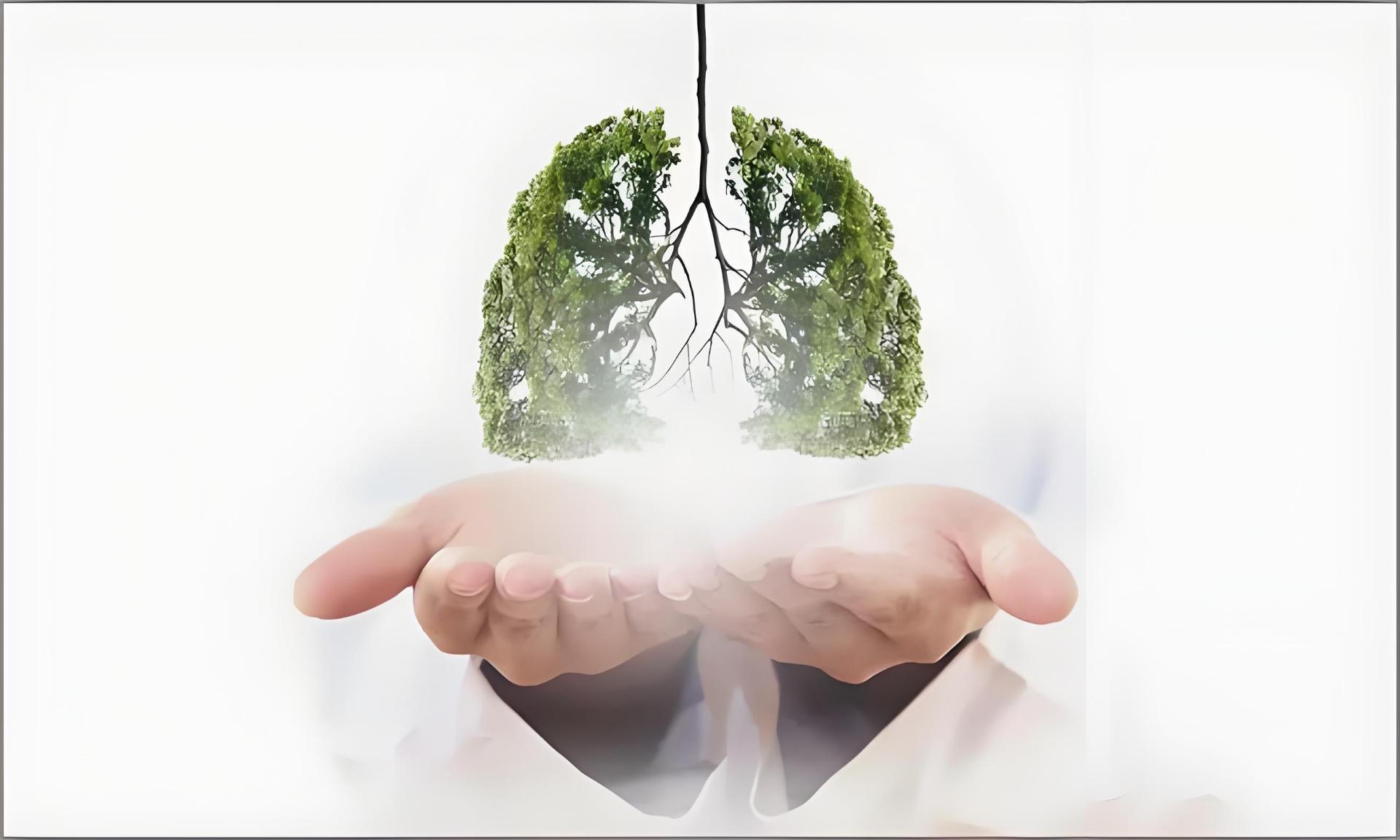
World No Tobacco Day: Protect Your Lungs, Protect Your Future
Every year on May 31st, the World Health Organization (WHO) and global health partners observe World No Tobacco Day. This annual campaign is designed to raise awareness about the deadly effects of tobacco use, expose the tactics of the tobacco industry, and encourage people worldwide to quit for good. It is a day to highlight the immense health and economic burdens caused by tobacco and to advocate for effective policies that reduce tobacco consumption.
The Hidden Danger Inside Your Chest
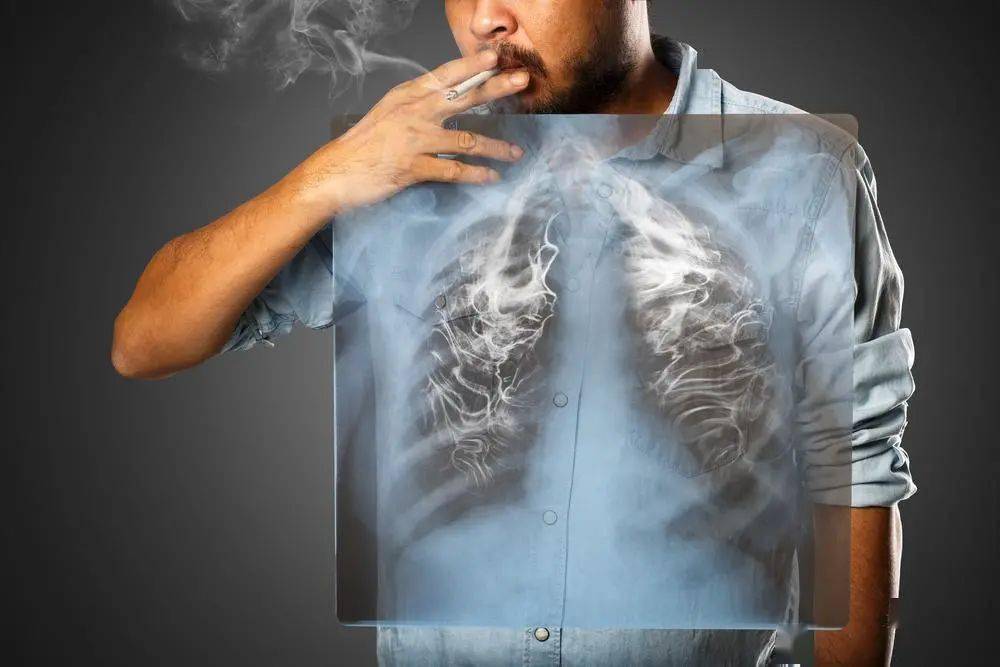
Tobacco smoke is a toxic cocktail containing over 7,000 chemicals, at least 70 of which are known to cause cancer. While many people immediately associate smoking with lung cancer, the harm it causes goes much deeper and affects nearly every system in the body. Smoking is a leading cause of heart disease, stroke, diabetes, and numerous other cancers — including those of the mouth, throat, esophagus, and bladder. However, your lungs, as the primary entry point for smoke, take the first and worst hit.
How Smoking Destroys Lung Function
Your lungs are remarkable organs that work tirelessly to bring in oxygen and expel waste gases. Smoking attacks this delicate system in several devastating ways:
-
It paralyzes and destroys cilia – these tiny, hair-like structures constantly sweep mucus and harmful particles out of your airways. When smoke damages them, mucus builds up, leading to chronic coughing, frequent bronchitis, and lung infections.
-
It causes inflammation and scarring – over time, the chemicals in smoke irritate and inflame the delicate air sacs (alveoli) where oxygen exchange occurs. This chronic inflammation eventually destroys the walls of the alveoli, leading to COPD (Chronic Obstructive Pulmonary Disease) and emphysema — progressive conditions in which breathing becomes a daily struggle, and simple activities like walking or climbing stairs leave you gasping for air.
-
It reduces oxygen exchange – as lung tissue is damaged and airways narrow, less oxygen reaches your bloodstream. Your heart, brain, and muscles are starved of oxygen, which leaves you feeling constantly tired, dizzy, and short of breath. Over time, this can also strain your heart, increasing the risk of heart failure.
Worst of all, lung damage often develops silently. Many smokers do not notice significant symptoms until 50% or more of their lung function is already lost — and by then, the damage is often irreversible.
Why Regular Lung Function Testing Matters
Just as you check your blood pressure or cholesterol, your lungs need regular checkups too. A simple, painless, and non-invasive test called spirometry measures how well your lungs work by recording how much air you can blow out and how fast you can do it. This test is the gold standard for assessing lung health.
Regular lung function testing can:
-
Detect lung damage early – it can pick up signs of obstruction or restriction long before you feel symptoms like breathlessness, wheezing, or a persistent cough. Early detection allows for interventions that can slow disease progression.
-
Motivate you to quit – seeing your actual "lung age" compared to your chronological age, or seeing a graph of declining function, is often a powerful wake-up call that abstract warnings cannot match.
-
Track improvement after quitting – the lungs have an amazing ability to recover once smoking stops. Within weeks to months of quitting, inflammation decreases, cilia begin to regrow, and lung function can stabilize or even improve. Regular testing provides measurable proof of progress, which helps sustain motivation.
For anyone who currently smokes or has a significant history of smoking, regular lung function tests are not optional — they are essential. The same applies to non-smokers with prolonged exposure to secondhand smoke or occupational hazards.
A Message of Hope
The best news is this: It is never too late to quit. The moment you stop smoking, your body begins to heal. Within just 12 hours, carbon monoxide levels in your blood drop to normal. Within 2 weeks to 3 months, circulation improves and lung function starts to increase. Within 3 to 9 months, coughing and shortness of breath decrease dramatically as cilia repair themselves and the lungs regain their ability to fight infection. Even if you already have COPD, quitting smoking is the single most effective way to slow its progression and improve your quality of life.
This World No Tobacco Day, take two powerful actions:
-
Commit to quitting – for yourself, and for those who love you and rely on your health and presence.
-
Schedule a lung function test – know where your lungs stand today, whether you are a current smoker, a former smoker, or someone exposed to secondhand smoke.
Your lungs gave you every breath you’ve ever taken. Now it’s time to return the favor. Protect them. Check them. And if you smoke – quit today.