Understanding Asthma: A Guide to Breathing Easy
Introduction: More Than Just a Cough
Imagine trying to breathe through a narrow straw while running. Now, imagine feeling that way even when you are sitting still. For over 260 million people worldwide, this is the daily reality of living with asthma.
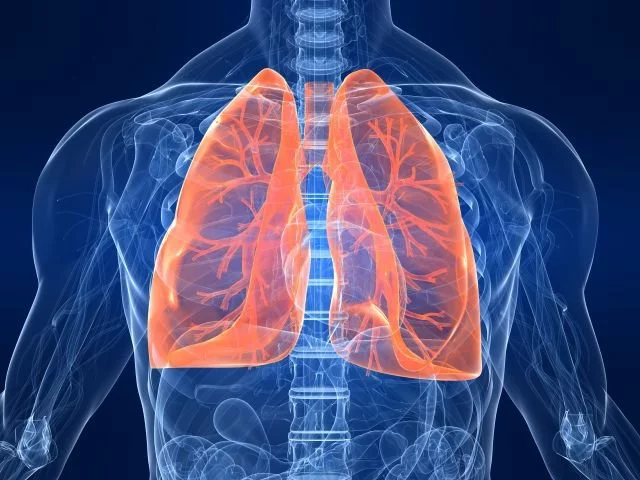
Asthma is not just a single illness; it is a chronic (long-term) condition that affects the airways—the tubes that carry air in and out of your lungs. While it cannot be cured, it can be managed effectively, allowing most people to live full, active lives.
What Actually Happens During an Asthma Attack?
To understand asthma, it helps to think of your airways as flexible tubes. Inside these tubes, the lining is sensitive. For someone with asthma, this lining is hypersensitive to certain "triggers."
When exposed to a trigger, three main things happen inside the airways:
-
Inflammation (Swelling): The lining of the airways becomes red, swollen, and irritated.
-
Mucus Production: The airways produce extra thick, sticky mucus that clogs the passageways.
-
Bronchoconstriction (Tightening): The muscles surrounding the airways tighten and squeeze, narrowing the tubes further.
This combination makes it difficult to move air in and out of the lungs, leading to the classic symptoms of an asthma flare-up.
Common Symptoms to Watch For
Symptoms can vary from person to person and from one attack to the next. They may occur daily, weekly, or only occasionally.
-
Shortness of breath: Feeling like you can't get enough air.
-
Wheezing: A high-pitched whistling sound when breathing, especially when exhaling.
-
Coughing: Often worse at night or early in the morning.
-
Chest tightness: A feeling of pressure or constriction in the chest.
-
Fatigue: Difficulty sleeping or exercising due to breathing issues.
What Triggers an Attack?
Triggers are the "spark" that sets off the asthma reaction. Identifying your personal triggers is one of the most important steps in managing the condition. Common triggers include:
-
Allergens: Pollen, dust mites, mold, pet dander, and cockroach droppings.
-
Irritants: Tobacco smoke, air pollution, strong chemical fumes, and perfumes.
-
Respiratory Infections: Colds, the flu, and other viral infections are major triggers, especially in children.
-
Weather: Cold air, dry air, or sudden changes in temperature and humidity.
-
Exercise: Physical exertion (called Exercise-Induced Bronchoconstriction) can narrow the airways.
-
Emotions: Stress, anxiety, and strong laughter or crying can trigger symptoms.
How is Asthma Diagnosed?
Diagnosis is not always straightforward. Doctors use a combination of medical history, physical exams, and lung function tests. The most common test is spirometry. For this test, you breathe into a machine that measures how much air you can exhale and how fast you can blow it out.
Doctors may also use a peak flow meter, a small handheld device that you blow into to measure how well your lungs are working. This is often used at home to monitor daily changes.
Treatment: The Two-Pronged Approach
Asthma treatment isn't "one size fits all." Most management plans use a combination of two types of medications, often delivered through inhalers.
1. Quick-Relief (Rescue) Medications
These are the "fire extinguishers." They work rapidly to relax the tightened muscles around the airways, opening them up within minutes. They are used during an acute attack or just before exercise to prevent symptoms.
-
Example: Albuterol (Salbutamol).
2. Long-Term Control (Controller) Medications
These are the "fire preventatives." They are taken daily to reduce the inflammation in the airways, making them less sensitive to triggers over time. They do not provide immediate relief but are crucial for preventing attacks.
-
Example: Inhaled corticosteroids.
Important Note: Biologic therapies are a newer class of medication for severe asthma that target specific molecules to stop the inflammation process at a cellular level.
Living Well with Asthma: Action Plans
Managing asthma is about being proactive. A key tool is a written Asthma Action Plan created with your doctor. This plan helps you track your symptoms and tells you what medication to take based on how you are feeling (often using a "Green-Yellow-Red" traffic light system).
Lifestyle adjustments also make a huge difference:
-
Avoid Triggers: Use dust-mite covers on bedding, keep windows closed during high pollen days, and ensure your home is smoke-free.
-
Get Vaccinated: Annual flu shots and pneumonia vaccines are highly recommended, as respiratory infections can be dangerous for asthmatics.
-
Stay Active: With proper medication, exercise is encouraged. Swimming, walking, and yoga are often well-tolerated.
A Note on Severe Asthma
For a small percentage of people, asthma is "severe" and doesn't respond well to standard inhalers. This is a serious condition that requires specialized care from a pulmonologist. However, advancements in medicine have led to new treatments that are helping even the most severe cases.
Conclusion
Asthma is a common, complex, and often misunderstood condition. However, with proper diagnosis, a personalized treatment plan, and an understanding of personal triggers, it is highly manageable. The goal isn't just to survive; it's to thrive. If you suspect you have asthma, or if your current treatment isn't working, consult a healthcare professional to help you find a path to easier breathing.