COPD: The Hidden Burden and How to Fight Back
What Is COPD?
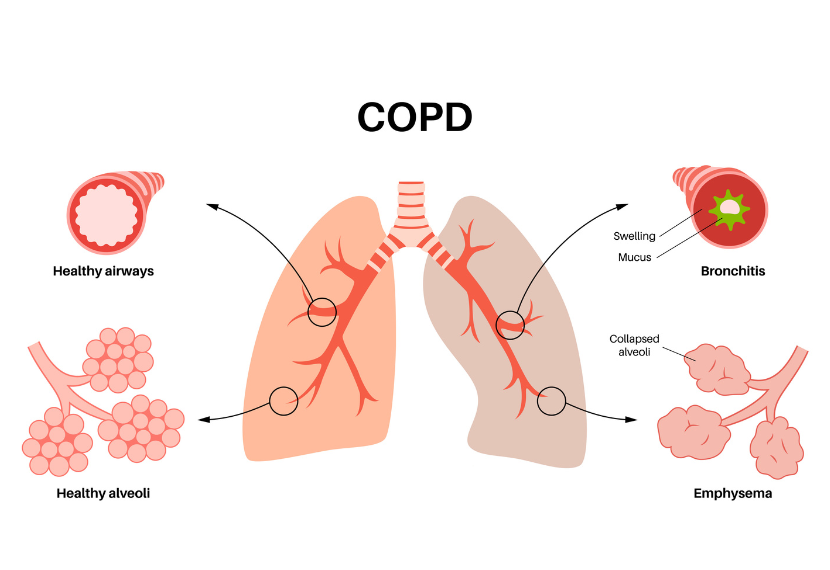
Chronic obstructive pulmonary disease, commonly known as COPD, is a progressive lung condition in which the airways become inflamed and narrowed, and the air sacs become damaged. This damage makes it increasingly difficult to breathe over time. When the damage becomes extensive, the lungs struggle to get enough oxygen into the bloodstream and to remove excess carbon dioxide.
COPD is an umbrella term that encompasses two main conditions: chronic bronchitis and emphysema. Chronic bronchitis involves inflammation of the bronchial tubes, leading to a persistent cough with mucus production. Emphysema involves the destruction of the walls of the air sacs (alveoli), reducing the lungs' ability to transfer oxygen into the blood. These two conditions often occur together in the same person.
A Global Health Crisis
COPD is a major public health challenge worldwide. According to the World Health Organization (WHO), COPD is the third leading cause of death globally, causing approximately 3.4 million deaths in 2023 — about 6% of all deaths worldwide. An estimated 480 million people are living with COPD, and 3.7 million die from it each year. It is also the seventh leading cause of poor health worldwide, as measured by disability-adjusted life years.
The economic burden is staggering. A recent study estimated that the global economic cost of COPD will reach $34 trillion by 2050. With an aging population, COPD cases are projected to increase by 23% globally by 2050.
Nearly 90% of COPD deaths in people under 70 occur in low- and middle-income countries, where access to diagnosis and essential inhaled medicines remains severely limited.
What Causes COPD?
COPD develops gradually over time, usually resulting from long-term exposure to irritating gases and particles. The most common causes include:
Tobacco smoking is the leading cause of COPD. In high-income countries, tobacco smoking accounts for over 70% of COPD cases. Approximately 90% of COPD cases are directly linked to active smoking.
Secondhand smoke exposure also contributes to COPD risk.
Occupational exposures — breathing in dust, fumes, vapors, or chemicals in the workplace over many years.
Air pollution — both outdoor pollution and indoor pollution from burning solid fuels like wood, animal dung, or coal for cooking and heating.
Early life events — poor growth in the womb, prematurity, and frequent or severe respiratory infections in childhood that prevent maximum lung growth.
Genetic factors — a rare condition called alpha-1 antitrypsin deficiency can cause COPD at a young age, even in people who have never smoked.
Recognizing the Symptoms
COPD symptoms often do not appear until significant lung damage has already occurred. Common symptoms include:
-
Shortness of breath, especially during physical activity
-
A chronic cough that may produce mucus (sputum)
-
Wheezing or a whistling sound when breathing
-
Chest tightness
-
Fatigue and lack of energy
-
Frequent respiratory infections
-
Unintended weight loss as the condition worsens
Flare-ups (Exacerbations)
People with COPD often experience times when their symptoms suddenly worsen. These are called exacerbations or flare-ups. They can last for several days to weeks and are often triggered by infections, cold air, air pollution, or irritants. During a flare-up, symptoms may include increased breathlessness, more coughing, changes in mucus color or amount, and sometimes fever.

How Is COPD Diagnosed?
Diagnosing COPD can be challenging because its symptoms overlap with other lung conditions, and many people remain undiagnosed until the disease is advanced.
The diagnostic process typically includes:
Medical history and physical exam — reviewing symptoms, smoking history, family history, and exposure to lung irritants, along with listening to the lungs.
Spirometry — this is the key diagnostic test for COPD. It measures how much air you can breathe out and how quickly. During the test, you take a deep breath and then exhale forcefully into a tube connected to a machine called a spirometer. The test measures the FEV1 (the amount of air you can exhale in one second) and FVC (the total amount of air you can exhale). A ratio of FEV1/FVC below 0.7 indicates airflow obstruction consistent with COPD. Spirometry can detect COPD even before symptoms develop.
Imaging tests — chest X-rays and CT scans can show lung changes from COPD and rule out other conditions.
Lab tests — blood tests may be used to check oxygen and carbon dioxide levels or to test for alpha-1 antitrypsin deficiency.
Treatment and Management
While COPD is not curable, it is treatable. With proper management, most people can control their symptoms, slow disease progression, and improve their quality of life.
Quitting Smoking — The Most Essential Step
The single most important step in any COPD treatment plan is to quit all smoking. Stopping smoking prevents the disease from worsening and makes breathing easier. Healthcare professionals can provide support through stop-smoking programs, nicotine replacement products, and medications.
Medications
Several types of medications are used to treat COPD:
-
Bronchodilators — inhaled medications that relax and widen the airways, making breathing easier. These are the cornerstone of COPD treatment.
-
Inhaled corticosteroids — medications that reduce inflammation and swelling in the airways.
-
Combination therapies — many patients use inhalers that combine bronchodilators and corticosteroids.
-
Other medications — including phosphodiesterase-4 inhibitors, antibiotics for infections, and mucolytics to help clear mucus.
The 2025 update of the Global Initiative for Chronic Obstructive Lung Disease (GOLD) guidelines recommends a more personalized approach to treatment, including new options such as dupilumab and ensifentrine for certain patients.
Pulmonary Rehabilitation
Pulmonary rehabilitation is a comprehensive program that combines exercise training, education, and support. It helps people with COPD stay as active as possible and better manage their disease. The program typically includes:
-
Physical exercise (walking, cycling, or other activities)
-
Breathing exercises (such as pursed-lip breathing and diaphragmatic breathing)
-
Patient education about the disease
-
Nutritional advice
-
Strategies for quitting smoking
Breathing exercises can help increase lung volume, strengthen breathing muscles, and prevent shortness of breath. Pulmonary rehabilitation has been shown to improve exercise tolerance, reduce breathlessness, enhance quality of life, and reduce hospitalizations.
Oxygen Therapy
For people with severe COPD and low blood oxygen levels, long-term oxygen therapy can improve survival.
Vaccinations
People with COPD are particularly susceptible to respiratory infections. Annual influenza vaccination and pneumococcal vaccination are strongly recommended to prevent infections that could trigger exacerbations.
Prevention
COPD is largely preventable. Key prevention strategies include:
-
Avoiding smoking — never starting to smoke and quitting if you currently smoke
-
Avoiding secondhand smoke
-
Reducing exposure to air pollution — both outdoor and indoor
-
Using protective equipment in occupational settings with dust, fumes, or chemicals
-
Getting vaccinated against influenza and pneumonia
Over 80% of the global burden of COPD is attributed to modifiable risk factors, including smoking, air pollution, and occupational exposures.
Living with COPD
A diagnosis of COPD does not mean giving up an active life. With appropriate treatment, lifestyle adjustments, and support, many people with COPD continue to lead fulfilling lives. Key strategies for daily management include:
-
Taking medications as prescribed
-
Participating in pulmonary rehabilitation
-
Staying physically active within individual limits
-
Avoiding triggers and irritants
-
Eating a healthy, balanced diet
-
Monitoring symptoms and having an action plan for flare-ups
When to See a Doctor
Seek medical attention if you experience:
-
Symptoms that do not improve with treatment
-
Worsening shortness of breath
-
Signs of infection such as fever or changes in mucus
-
Emergency signs (call 911 immediately): inability to catch your breath, blue lips or fingernails, rapid heartbeat, or confusion
COPD is a serious but manageable condition. Awareness, early diagnosis, and comprehensive treatment can make a profound difference in the lives of the millions affected worldwide. If you or someone you know has risk factors for COPD — especially a history of smoking — don't wait for symptoms to appear. Talk to a healthcare professional about lung health screening.