Breathing Your Way to Better Lung Function: A Simple Science-Backed Guide
We breathe about 20,000 times a day—usually without giving it a second thought. But just like your arms and legs, your lungs and the muscles that power them can be trained. Breathing exercises are not just relaxation techniques; they can actually strengthen your respiratory system, improve how efficiently your lungs work, and help you feel less short of breath during everyday activities.
This article explains what lung function is, how breathing exercises can enhance it, and which techniques are worth trying.

What Is Lung Function?
Lung function refers to how well your lungs move air in and out and how effectively they transfer oxygen into your blood while removing carbon dioxide. Key measures include:
-
Tidal volume – the amount of air you breathe in or out during a normal breath.
-
Vital capacity – the maximum amount of air you can exhale after a deep inhale.
-
Forced expiratory volume (FEV1) – how much air you can forcefully exhale in one second.
-
Gas exchange efficiency – how well oxygen and carbon dioxide swap between your lungs and bloodstream.
Many factors affect these measures, including age, smoking, pollution, and disease. But the good news is that the muscles involved in breathing—especially the diaphragm—respond to training just like any other muscle.
How Breathing Exercises Work
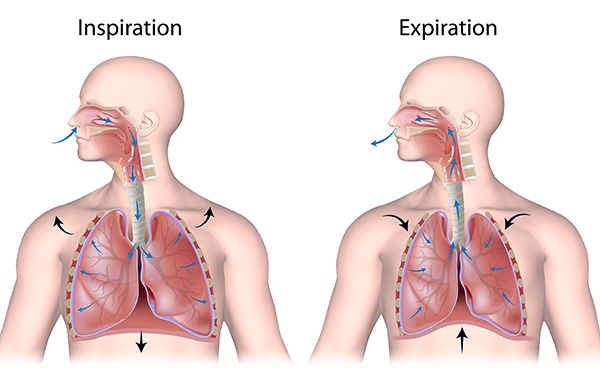
The primary muscle of breathing is the diaphragm, a dome-shaped muscle beneath your lungs. When you inhale, it contracts and moves downward, creating suction that pulls air in. When you exhale, it relaxes and pushes air out. Other muscles, like the intercostals between your ribs and the abdominal muscles, assist during forceful breathing.
With practice, breathing exercises can:
-
Strengthen the diaphragm and accessory muscles, making each breath more efficient.
-
Increase lung capacity and chest wall flexibility, allowing more air to enter and leave.
-
Reduce trapped air in the lungs, which is common in conditions like COPD.
-
Improve ventilation-perfusion matching—the balance between airflow and blood flow in the lungs.
-
Lower breathing rate while maintaining oxygen levels, which reduces the work of breathing.
In short, you’re not just “taking deep breaths.” You’re training a muscular system that supports every cell in your body.
Types of Breathing Exercises
Several techniques have been studied for their effects on lung function. Here are the most common and effective ones.
1. Diaphragmatic Breathing (Belly Breathing)
This is the foundation of most breathing training. Instead of shallow chest breathing, you learn to engage your diaphragm.
How to do it:
-
Sit or lie comfortably. Place one hand on your chest and the other on your belly.
-
Inhale slowly through your nose, letting your belly rise. Your chest should move very little.
-
Exhale slowly through pursed lips, feeling your belly fall.
-
Practice for 5–10 minutes, 2–3 times a day.
Benefits: Increases tidal volume, reduces oxygen demand, and improves respiratory muscle strength. Studies show it can help people with asthma, COPD, and even healthy adults improve lung function.

2. Pursed-Lip Breathing
This technique slows your breathing and keeps airways open longer, making it easier to exhale stale air.
How to do it:
-
Inhale through your nose for 2 seconds.
-
Purse your lips as if you’re going to whistle.
-
Exhale gently through your lips for 4 seconds.
Benefits: Reduces breathlessness, especially during exercise or flare-ups of asthma or COPD. It also helps release trapped air.
3. Box Breathing
Used by athletes and Navy SEALs, box breathing calms the nervous system while training breath control.
How to do it:
-
Inhale for 4 counts.
-
Hold for 4 counts.
-
Exhale for 4 counts.
-
Hold for 4 counts.
-
Repeat for 5–10 cycles.
Benefits: Improves focus, reduces stress, and enhances CO₂ tolerance, which can make breathing more efficient over time.
4. Deep Breathing with Resistance
Devices like inspiratory muscle trainers (IMT) add resistance as you inhale, similar to lifting weights for your diaphragm. These are popular among athletes and people with respiratory conditions.
Benefits: Studies show IMT can significantly increase inspiratory muscle strength and endurance, leading to better exercise performance and less breathlessness.
5. Alternate Nostril Breathing
From yoga traditions, this practice balances airflow between nostrils and may improve lung function when combined with other exercises.
How to do it:
-
Close your right nostril with your thumb. Inhale through the left.
-
Close left nostril with your ring finger. Exhale through the right.
-
Inhale right, exhale left. That’s one cycle.
Benefits: May improve respiratory endurance and reduce stress, though more research is needed.
What the Science Says
A growing body of research supports breathing training for lung health:
-
COPD: Pulmonary rehabilitation programs routinely include pursed-lip and diaphragmatic breathing. They improve exercise capacity and quality of life.
-
Asthma: Breathing exercises can reduce symptoms and inhaler use, though they don’t replace medication.
-
Athletes: Inspiratory muscle training improves performance by delaying respiratory fatigue.
-
Post-COVID: Many people experience lingering breathlessness. Breathing exercises are a key part of recovery.
-
Healthy aging: Lung function naturally declines with age. Training can slow this decline and maintain independence.
One review of 25 studies found that diaphragmatic breathing significantly improved vital capacity and FEV1 in both healthy people and those with respiratory disease. Another study on box breathing showed reduced anxiety and improved heart rate variability—both linked to better breathing patterns.
How to Start (and Stay Safe)
You don’t need special equipment or a gym. Here’s a simple routine:
-
Start small: 5 minutes of diaphragmatic breathing twice a day.
-
Add pursed-lip breathing during activities that make you breathless, like climbing stairs.
-
Progress to box breathing for 5 minutes when you feel comfortable.
-
Be consistent: Like any exercise, benefits come with regular practice.
Precautions:
-
If you have a lung condition (COPD, asthma, etc.), talk to your doctor or respiratory therapist before starting.
-
Stop if you feel dizzy, lightheaded, or more short of breath.
-
Don’t force deep breaths. Slow and steady wins.
-
Avoid hyperventilating (breathing too fast or too deep).
The Bottom Line
Your lungs are not static. They respond to training. By practicing breathing exercises, you can strengthen your diaphragm, increase your lung capacity, and make every breath more efficient. Whether you’re an athlete, recovering from illness, or simply want to age well, a few minutes of focused breathing each day can pay off for years to come.
So take a slow, deep breath—and give your lungs the workout they deserve.