Uric Acid: The Body's Double-Edged Sword
Uric acid is a chemical that often gets a bad reputation. Most people only hear about it when a doctor mentions high levels or when a friend describes the agonizing pain of a gout attack. But uric acid is far more than just a waste product to be flushed away. It plays a complex and surprising role in human health — part protector, part troublemaker.
What Exactly Is Uric Acid?
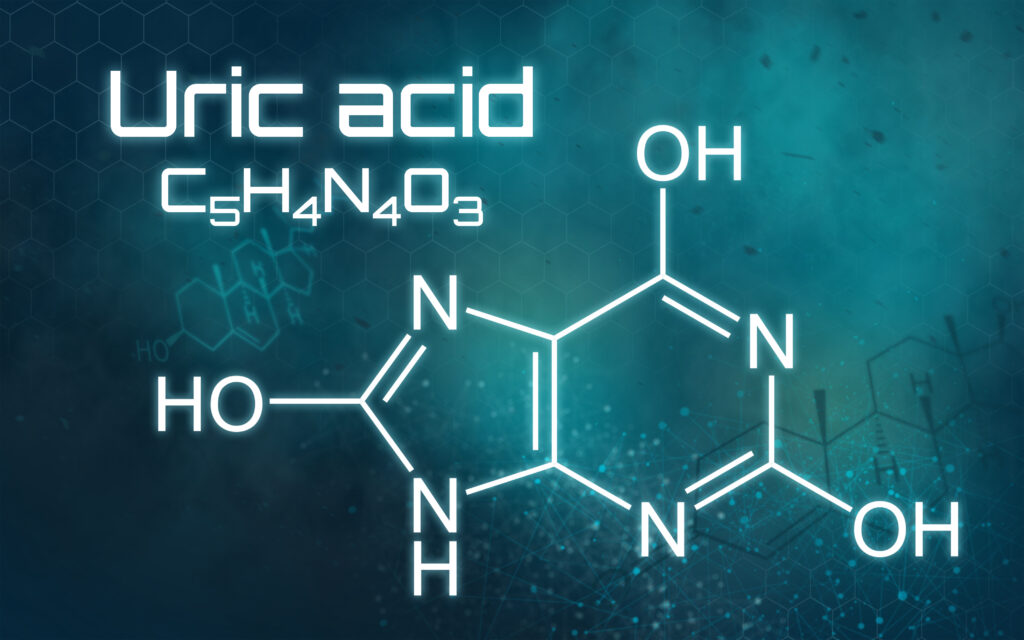
Uric acid is a waste product created when your body breaks down substances called purines. Purines are naturally found in your body's tissues and cells, and they're also present in many foods. When cells die and are recycled, or when you digest purine-rich foods, your body converts those purines through a series of chemical steps that end with uric acid.
Normally, uric acid dissolves in your blood, travels to your kidneys, and leaves your body through urine. About 70% of uric acid is eliminated by the kidneys, while the remaining 30% passes through the intestines.
A Genetic Quirk That Sets Humans Apart
Here's where it gets interesting: unlike most other mammals, humans cannot break uric acid down any further. Most animals have an enzyme called uricase that converts uric acid into a more soluble compound that's easy to excrete. Humans lost that enzyme millions of years ago through a genetic mutation.
This wasn't necessarily a disadvantage. One prominent theory suggests that higher circulating uric acid gave our ancestors a stronger antioxidant defense — potentially extending lifespan and reducing cancer risk. In your bloodstream, uric acid acts as one of the most powerful antioxidants your body has, scavenging destructive molecules called free radicals.
There's a catch, though. Uric acid's antioxidant powers only work in the watery environment of blood plasma. Inside cells, it can actually flip roles and act as a pro-oxidant, promoting the kind of damage it prevents outside cells. This "oxidant-antioxidant paradox" helps explain why both very low and very high levels of uric acid can be problematic.
When Levels Get Too High
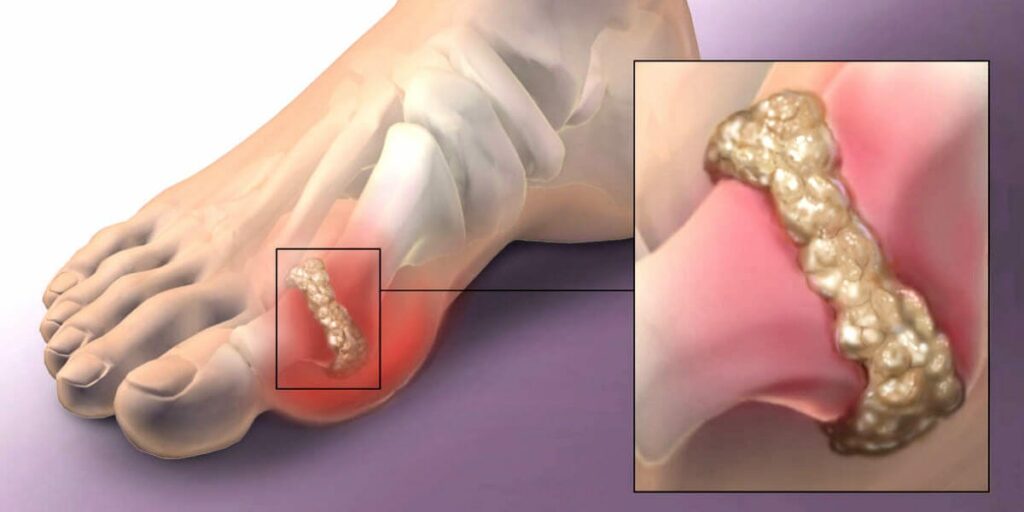
The medical term for having too much uric acid in your body is hyperuricemia. It's surprisingly common — about one in five people has hyperuricemia. The saturation point for uric acid in blood is about 6.8 mg/dL. Above that concentration, uric acid can start forming needle-shaped crystals of monosodium urate.
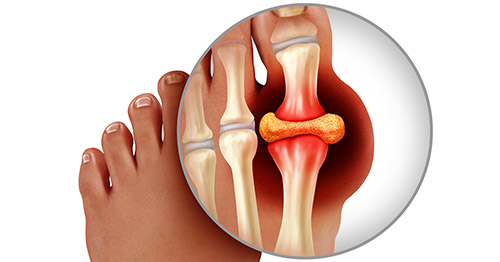
Hyperuricemia itself doesn't usually cause symptoms. Most people don't know they have it until their uric acid levels are high enough to cause problems. When those sharp crystals settle in joints, they trigger gout — a painful form of inflammatory arthritis. Gout attacks often begin suddenly at night, with intense pain, swelling, redness, and warmth in the affected joint — most commonly the big toe.
The crystals can also build up in the kidneys and form kidney stones. Over time, untreated high uric acid levels can lead to permanent damage in bones, joints, tendons, and ligaments.
Research has also linked high uric acid levels to other health conditions, including hypertension, metabolic syndrome, chronic kidney disease, and cardiovascular disease.
Why Do Uric Acid Levels Rise?
High uric acid levels can result from:
-
The body making too much uric acid — This is less common.
-
The kidneys not eliminating enough — This is the most frequent cause. About 90% of people with gout have kidneys that don't adequately remove uric acid. This is often determined by genetics.
-
A combination of both.
Diet plays a role too, though most uric acid in the blood doesn't come from food. However, consuming too much purine-rich food — such as red meat, organ meats (liver, kidney), shellfish, and alcohol (particularly beer) — can push levels higher. Sugary drinks and foods containing fructose can also contribute.
Certain medications, including diuretics (water pills) and low-dose aspirin, can raise uric acid levels as well.
Who Is Most at Risk?
Gout and hyperuricemia are more common in men than women — men are about four times more likely to develop gout. Gout usually develops during middle age in men and after menopause in women, once estrogen levels decline. Estrogen helps the kidneys excrete uric acid more efficiently, which is why levels tend to rise in women after menopause.
Other risk factors include obesity, a family history of gout, certain health conditions (heart failure, high blood pressure, chronic kidney disease, metabolic syndrome), and an unhealthy diet.
What Are Normal Uric Acid Levels?
Standard reference ranges vary slightly between laboratories, but typical values are around 3.5 to 7.2 mg/dL for adult men and postmenopausal women, and 2.6 to 6.0 mg/dL for premenopausal women.
Some researchers argue that the upper end of "normal" is too generous. A growing body of evidence suggests that keeping levels below 6.0 mg/dL better identifies truly healthy individuals, regardless of sex — and the American College of Rheumatology uses this same threshold as the treatment target for people with gout.
How to Keep Uric Acid in Check
If you're concerned about uric acid levels, here are practical steps you can take:
-
Stay hydrated — Drinking plenty of water helps your kidneys flush out excess uric acid. Aim for at least 2 to 2.5 liters of water per day.
-
Watch your diet — Limit high-purine foods like red meat, organ meats, shellfish, and alcohol (especially beer). Cut down on sugary drinks and foods with high-fructose corn syrup.
-
Maintain a healthy weight — Obesity is an independent risk factor for both hyperuricemia and gout. Gradual weight loss can help reduce uric acid levels.
-
Eat more fruits and vegetables — Complex carbohydrates and vitamin C may help lower uric acid levels. Some studies also suggest coffee may be beneficial.
-
Exercise regularly — Even 30 minutes of daily walking can improve metabolism and increase your kidneys' ability to filter blood.
The Bottom Line
Uric acid is a fascinating molecule that illustrates the delicate balance of human biology. It's both a powerful antioxidant that may have helped our ancestors survive and a potential threat that can cause excruciating pain when levels get too high. Understanding what uric acid is, where it comes from, and how to manage it is the first step toward keeping this double-edged sword firmly in check.
If you're concerned about your uric acid levels — especially if you have a family history of gout or kidney stones — talk to your healthcare provider. A simple blood test can measure your levels, and together you can decide on the best approach for your health.